Israel's Knesset elects Eisenkot ally Matan Kahana as speaker, and his bloc moves to undo Netanyahu's judicial overhaul
Israel's parliament elected Matan Kahana of Gadi Eisenkot's Yashar party as Knesset speaker on 17 November by 66 votes to 52, replacing Netanyahu ally Amir Ohana. A day later the new majority passed a preliminary vote, 63 to 47, to reverse the outgoing government's change to how judges are selected. No new government has yet been formed.
Israel's parliament has a new speaker who is opposed to Benjamin Netanyahu's agenda. On Tuesday evening, 17 November 2026, the Knesset elected Matan Kahana of Gadi Eisenkot's Yashar party by 66 votes to 52. He defeated Likud's Ofir Katz and replaced Amir Ohana, a Netanyahu ally who had held the post since 2022.
The change matters because the speaker controls much of what reaches the floor of the 120-seat chamber. Less than a day later, on Wednesday morning, the new majority used that control. It passed a preliminary reading, by 63 votes to 47, of a bill to reverse the outgoing government's overhaul of the committee that selects Israel's judges.
All of this is happening before a new government exists. Netanyahu remains caretaker prime minister after the inconclusive 27 October election. Eisenkot, who received the mandate to form a government on 8 November, still lacks a majority of his own. We explained the mandate process earlier (https://www.thedailycontext.com/article/eisenkot-mandate-form-israel-government-november-2026).
How did Kahana win the vote?
The parliament spokesperson's office put the result at 66 for Kahana and 52 for the other candidate, Reuters reported. Kahana's votes came from the parties around Eisenkot, which hold 48 seats, and the two Arab-led parties, which hold 19. The Media Line reported that Ra'am lawmaker Yasser Hujirat was the only member of that camp who did not vote. Ynet put the number of Arab lawmakers who backed Kahana at 18. The ultra-Orthodox parties voted with Netanyahu's bloc, according to Ynet.
Under the procedure used, members cast separate open ballots for each candidate rather than choosing between them on one ballot, The Media Line explained. Electing a speaker needs only a simple majority of those voting, not the 61 votes required for some other decisions.
The vote came at the end of a long session. The Times of Israel described a six-hour filibuster by Netanyahu's bloc. Ynet reported that an agreement between the rival camps allowed the vote to go ahead. Under that deal, special committees that will handle some of the bills to roll back the outgoing government's legal changes would not start work until Monday, Arutz Sheva (Israel National News) reported.
Kahana is a former air force fighter pilot who served as religious services minister in Naftali Bennett's 2021–22 government. He joined Eisenkot's new Yashar party in 2025 and was fifth on its list at last month's election.
What did Kahana and his opponents say?
"The Knesset of Israel is the home of all citizens of the State of Israel, and I intend to be the Speaker for everyone," Kahana said in his first speech from the chair, as quoted by Reuters. He also addressed the long fight over the courts. According to Ynet, he said he hoped the next government would reform the checks and balances between the branches of government "with broad consensus". He added: "Until that happens, and for as long as I am speaker, the Knesset will comply unconditionally with court rulings."
Before the vote, Eisenkot called the appointment "an appropriate democratic step that reflects the overwhelming majority given to change". He rejected attempts to exclude Arab lawmakers, saying there were no first-class or second-class voters in the Knesset, Ynet reported. Bennett and opposition figure Yair Lapid also welcomed the result on social media.
Netanyahu's side reacted angrily. Likud said Kahana had been elected with "the votes of terror supporters", Reuters reported. In a statement also posted on Netanyahu's X account, the party called the appointment an eternal disgrace and a low point in the Knesset's history. During the debate, Katz said he did not want the speakership "tainted by the votes of terror supporters". Ra'am's Walid Alhawashla accused Likud of hypocrisy. "When it's convenient for you, Arab votes are legitimate," he said, according to Ynet. A Religious Zionism lawmaker, Tzvika Mor, tore his shirt at the podium in a traditional Jewish gesture of mourning.
In his farewell remarks, Ohana defended his record. "The heart of Israeli democracy never stopped beating," he said. Ynet, citing unnamed sources, reported that he is expected to become strategic affairs minister in the caretaker government.
What did the Knesset vote on Wednesday?
On Wednesday, 18 November, the plenum approved in a preliminary reading a bill to cancel the 2025 amendment to Basic Law: The Judiciary that changed the make-up of the Judicial Selection Committee. That amendment, one of the core pieces of the Netanyahu government's judicial overhaul, was due to take effect with the new Knesset. The bill would restore the committee's previous composition, including places for representatives of the Israel Bar Association. It was sponsored by lawmakers including Efrat Rayten, Ahmad Tibi and Eitan Ginzburg, and now goes to the Arrangements Committee, which decides where it will be debated, Arutz Sheva reported.
The vote was 63 to 47. NEWSru.co.il reported that Shas and United Torah Judaism voted with Netanyahu's bloc, and that neither Netanyahu nor Yisrael Beytenu leader Avigdor Liberman took part.
Justice Minister Yariv Levin attacked the speed of the move. "What is the hysteria and the speed?" he asked in the chamber, according to Arutz Sheva. He said bringing the Bar Association back onto the committee would mean "corruption". Bloc lawmakers replied that the steps were meant "not to break, but to fix", NEWSru reported.
A preliminary reading is only the first stage. The bill needs three more readings before it becomes law. According to Arutz Sheva, Eisenkot's bloc is also preparing bills to reverse changes affecting the attorney general's powers and the Police Ordinance. Likud's Katz has tabled bills of his own, including one about lawmakers who do not recognise Hamas as a terrorist organisation, which are designed to put the new majority on the spot.
The new majority already controlled several key committees before Tuesday's vote. Yashar's Roy Folkman chairs the Arrangements Committee. Liran Avishar Ben-Horin of Bennett's Beyachad party chairs the temporary Finance Committee, and Liberman chairs the temporary Foreign Affairs and Defence Committee, Ynet reported. On Monday, the Arrangements Committee voted 13 to 9 to name nine interim deputy speakers, including veteran Arab lawmaker Ahmad Tibi, according to The Media Line.
Does this mean Eisenkot can form a government?
Not yet. Netanyahu's alliance of Likud, far-right and ultra-Orthodox parties holds 53 seats. The parties around Eisenkot hold 48, and the Arab-led parties 19, according to Reuters. Likud won 27 seats, Yashar 21 and Beyachad 12, the Jerusalem Post reported. Eisenkot has 28 days from 8 November to form a coalition, with a possible 14-day extension.
The speaker vote shows that Eisenkot's camp can assemble a majority in the chamber when the Arab-led parties vote with it. Forming a government is a different test. That would require either formal backing from those parties or a deal with parts of Netanyahu's camp. Netanyahu has renewed his call for a national unity government that includes the ultra-Orthodox parties. "The election results were not what I wanted ... but the people are now saying: Unite," he said, according to Ynet. The Jerusalem Post, citing the Hebrew daily Maariv, reported a Likud source as saying a Yashar-led unity government with Netanyahu second in a rotation had "not been ruled out". Eisenkot's bloc leaders were due to meet at the Knesset on Wednesday afternoon.
What happens next?
The judicial bill and other repeal measures will move through committees, and special committees are due to begin work on Monday. Kahana's control of the agenda means the bloc's priorities can move faster. Those include an independent state inquiry into the 7 October 2023 Hamas attack and term limits for prime ministers, according to Reuters. If no one can form a government, Israel faces another election next year. Until then, the Knesset rather than the cabinet is where Netanyahu's opponents can act.
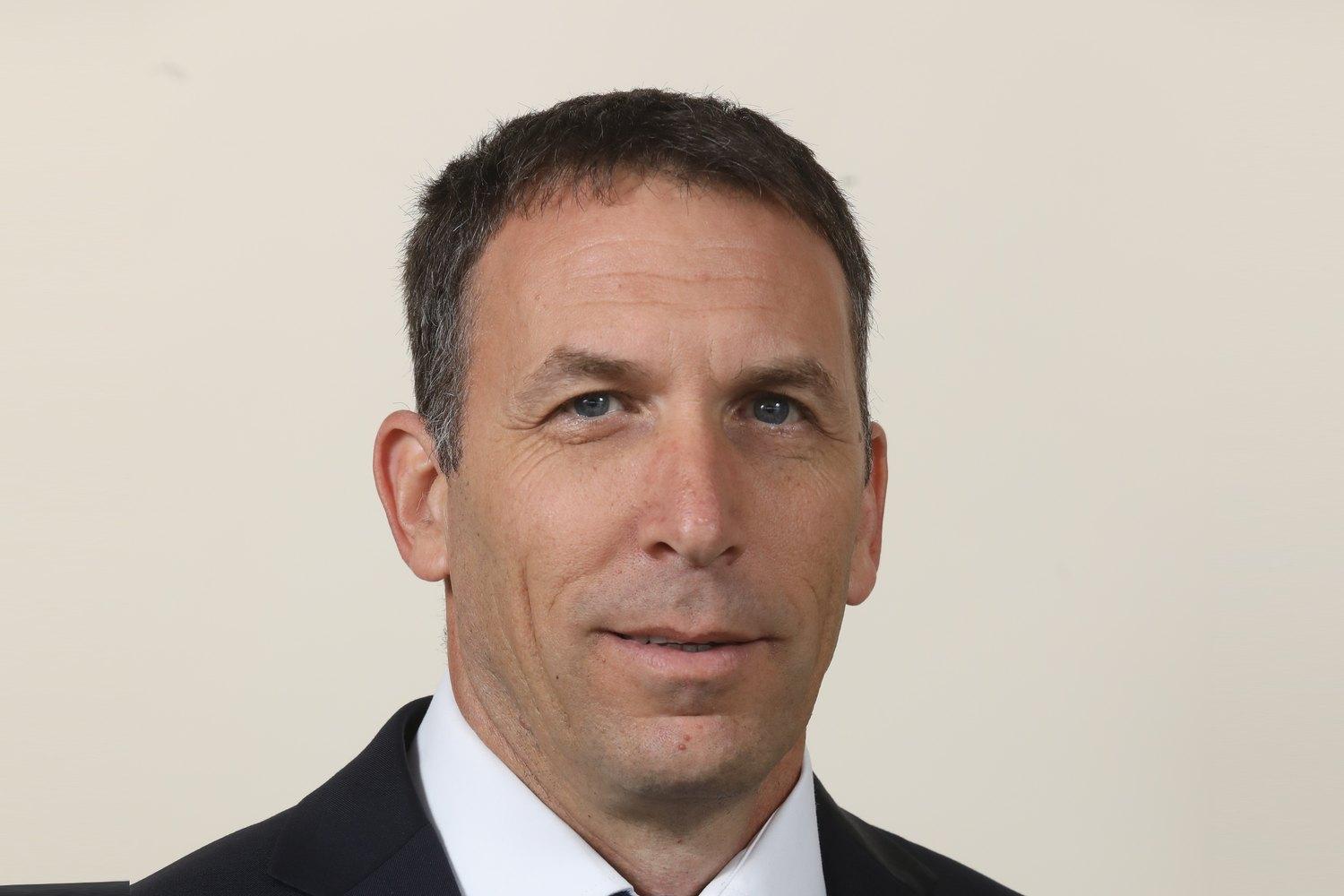
Image: Photo: Itzhak Harari, CC BY-SA 4.0, via Wikimedia Commons (https://commons.wikimedia.org/wiki/File:Matan_Kahana_(ISH_9818).jpg) — September 2019 file portrait of Matan Kahana, taken when he was a newly elected Knesset member; not from this week's vote; cropped, background extended at the sides and resized
About this article: prepared by The Daily Context editorial desk using automated, source-based reporting from the publications linked below. No reporter was on the ground.
Sources
- Ynet (17 Nov 2026): https://www.ynetnews.com/article/b1jkmr5cge
- Reuters via SBS News (18 Nov 2026): https://www.sbs.com.au/news/article/israel-replaces-netanyahu-ally-with-gadi-eisenkot-matan-kahana-amir-ohana-parliamentary-speaker/iwk6ionrq
- The Media Line (18 Nov 2026): https://themedialine.org/headlines/yashars-matan-kahana-elected-knesset-speaker-replacing-likuds-amir-ohana/
- Associated Press (17 Nov 2026): https://apnews.com/article/israel-knesset-speaker-matan-kahana-342956b9475b69ba5181fd9057eb0b68
- The Times of Israel live blog (17 Nov 2026): https://www.timesofisrael.com/liveblog_entry/knesset-votes-66-52-to-elect-yashars-matan-kahana-as-speaker-after-six-hour-filibuster-by-netanyahu-bloc/
- Arutz Sheva / Israel National News, Hebrew (18 Nov 2026): https://www.inn.co.il/news/711088
- NEWSru.co.il, Russian (18 Nov 2026): https://www.newsru.co.il/israel/18nov2026/reforma_702.html
- The Jerusalem Post live updates (18 Nov 2026): https://www.jpost.com/israel-election-2026/2026-11-18/live-updates-915259
Kabeer Ahmad
Kabeer Ahmad is the founder and editor of The Daily Context. He oversees the site's source-based coverage of world affairs, technology, business, entertainment, lifestyle and sports, and is responsible for its editorial standards, sourcing and corrections.