FDA orders NAION eye warning on all GLP-1 drugs, including Ozempic, Wegovy and Mounjaro
The US Food and Drug Administration said on 9 November 2026 that every GLP-1 receptor agonist, from Ozempic and Wegovy to Mounjaro, Zepbound and the new pill Foundayo, must carry a warning about a potential increased risk of NAION, a rare optic-nerve condition that can cause sudden, sometimes permanent, vision loss in one eye. The FDA called the risk potential and rare; it did not restrict any approved use.
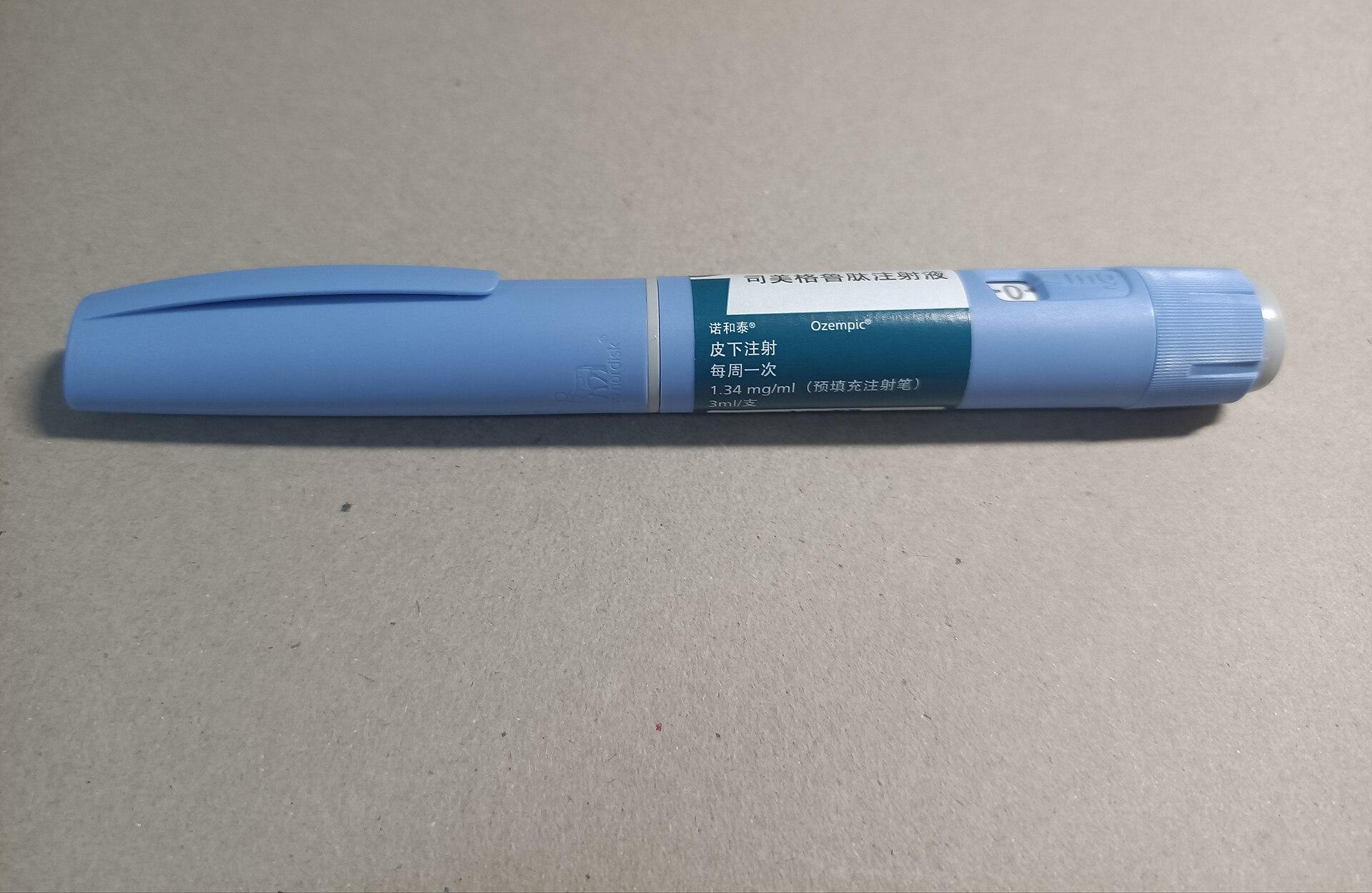
The US Food and Drug Administration (FDA) said on Monday 9 November 2026 that it is requiring the makers of every GLP-1 receptor agonist medicine to add a warning about a potential increased risk of non-arteritic anterior ischemic optic neuropathy, known as NAION. The condition is rare, but it can cause sudden, painless loss of vision in one eye, and that loss can be permanent.
The requirement covers the whole drug class used for type 2 diabetes and weight management, including Novo Nordisk's Ozempic, Rybelsus and Wegovy, Eli Lilly's Mounjaro and Zepbound, and Lilly's oral drug Foundayo, approved earlier in 2026. The new language goes into the Warnings and Precautions section of the labels. The FDA did not withdraw or restrict any approved use, and it described the risk as "potential" and the events as rare.
What exactly did the FDA announce?
In a Drug Safety Communication, the FDA said it is "informing patients and health care providers of a potential increased risk" of NAION associated with GLP-1 receptor agonists, and that all application holders for these medicines must add information about that risk to their labeling.
The agency listed 12 approved products: Byetta (exenatide), Victoza and Saxenda (liraglutide), Trulicity (dulaglutide), Xultophy (liraglutide with insulin degludec), Soliqua (lixisenatide with insulin glargine), Ozempic, Rybelsus and Wegovy (semaglutide), Mounjaro and Zepbound (tirzepatide) and Foundayo (orforglipron). The FDA noted that the branded Byetta application was voluntarily withdrawn in 2025 for reasons unrelated to safety or effectiveness and that only generic exenatide is now marketed. Tirzepatide acts on both the GIP and GLP-1 receptors but is included.
According to the FDA, NAION cases have been reported for all currently marketed GLP-1 receptor agonists.
What is NAION?
NAION is caused by reduced blood flow to the front part of the optic nerve, the optic disc, which carries visual signals from the eye to the brain. The FDA says the underlying cause is not completely understood. NBC News, citing the American Academy of Ophthalmology, reported that NAION is the second most common optic nerve disease in the US, occurring in up to 10 in 100,000 people over 50, and that it has no known treatment.
The FDA lists these symptoms: sudden, painless vision loss in one eye that may be noticed on waking; blurred or missing parts of vision, such as blind spots or tunnel vision; distorted colours; and reduced central sharpness. Risk factors it names include smoking, diabetes, high blood pressure, sleep apnoea, anaemia and kidney disease. Someone who has had NAION in one eye has a higher risk of it occurring in the other.
Many of those risk factors are common among people prescribed GLP-1 drugs, which is one reason the evidence has been hard to read.
What evidence did the FDA rely on?
The review began after a July 2024 study in JAMA Ophthalmology by Hathaway and colleagues reported an association between semaglutide prescriptions and NAION. NBC News reported that the study found diabetes patients prescribed semaglutide were about four times as likely to develop NAION. The FDA said it identified several limitations in that study but decided further assessment was warranted.
The agency then looked at four kinds of evidence:
- Clinical trials. A meta-analysis of 126 randomised controlled trials covered 134,253 patients, 78,217 of them on a GLP-1 drug, with 288,879 person-years of exposure. It found 15 probable NAION events: 10 among GLP-1 users, five among placebo patients and none among patients on other glucose-lowering drugs. That works out to 6.4 cases per 100,000 person-years on GLP-1 drugs versus 3.8 per 100,000 on comparators.
- Real-world data. A Sentinel network study of adults with type 2 diabetes who started treatment between 2019 and 2024 found NAION rates of 30 to 32 per 100,000 person-years with GLP-1 drugs, 31 with SGLT-2 inhibitors and 26 with DPP-4 inhibitors. There was no statistically significant increase compared with SGLT-2 inhibitors (hazard ratio 1.19), but an increased risk compared with DPP-4 inhibitors (hazard ratio 1.43).
- Published observational studies. The FDA said methodologically rigorous studies consistently reported higher NAION risk in people with type 2 diabetes starting GLP-1 drugs than in those starting DPP-4 or SGLT-2 inhibitors.
- Adverse-event reports and animal data. Reports to the FDA's monitoring system were hard to interpret because of overlapping risk factors, and animal studies did not identify a mechanism by which these drugs could raise NAION risk.
A "person-year" means one person observed for one year, so 6.4 per 100,000 person-years is a small absolute rate. For comparison, the FDA cited published estimates of 2.3 to 10.2 NAION cases per 100,000 people per year among adults over 50 in the general population.
How big is the risk for an individual?
The FDA's numbers point to a rare event. In the trial data the difference between groups was about 2.6 extra cases per 100,000 person-years, based on only 15 events in total, which means the estimate is uncertain. The real-world rates in people with diabetes were higher overall, reflecting an older, higher-risk population, and the comparison depended on which alternative medicine was used.
The FDA's own wording is careful: it concluded there is a "potential increased risk of rare NAION events". It did not say the drugs cause NAION, and it did not identify a biological mechanism.
BioSpace reported that analysts at BMO described the action as formalising a previously recognised safety signal "with low absolute event rates and a Warnings and Precautions update rather than a restriction on approved indications". That is an investment analysts' view, not a medical assessment.
What are patients and doctors being told?
The FDA says patients should contact their health care professional right away if they notice any of the symptoms above, and that anyone who has had NAION should talk with their health care professional about whether to continue or stop their GLP-1 medicine. The agency does not tell patients to stop treatment on their own.
For clinicians, the FDA advises telling patients to report sudden visual changes in one eye immediately, referring suspected cases promptly to an ophthalmologist, and considering discontinuing the GLP-1 drug in patients who develop NAION "unless the benefits of treatment clearly outweigh the risk".
The Daily Context does not give medical advice. Anyone taking these medicines who has questions should speak to the prescriber or pharmacist who knows their history.
How does this compare with Europe?
European regulators reached a similar conclusion earlier for semaglutide alone. In June 2025 the European Medicines Agency's safety committee, PRAC, concluded that NAION is a "very rare" side effect of Ozempic, Rybelsus and Wegovy, meaning it may affect up to one in 10,000 people taking semaglutide. PRAC said several large epidemiological studies suggested roughly a two-fold increase in risk in adults with type 2 diabetes, about one additional case per 10,000 person-years, and recommended stopping semaglutide if NAION is confirmed.
The FDA's step is broader in one respect: it applies to every GLP-1 receptor agonist on the US market, not just semaglutide.
Why does this matter beyond the US?
GLP-1 drugs are among the world's best-selling medicines. BioSpace reported that Lilly's tirzepatide brands generated $36.51 billion in 2025 and Novo's semaglutide franchise $36.19 billion, ahead of Merck's cancer drug Keytruda. With tens of millions of people using these drugs worldwide for diabetes, obesity and, increasingly, heart, kidney, sleep apnoea and liver conditions, even a rare side effect can affect a meaningful number of people.
US labeling decisions are also closely watched by regulators elsewhere. Spokespeople for Novo Nordisk and Eli Lilly told NBC News that patient safety is their top priority. Existing labels already carry other warnings, including a boxed warning about a possible risk of thyroid tumours.
What happens next?
Manufacturers must now submit updated labeling with the NAION information in the Warnings and Precautions section. The FDA asks patients and clinicians to report suspected side effects through its MedWatch reporting system. Further studies may refine how large the risk is and which patients, if any, face more of it.
Image: Photo: HualinXMN, CC BY-SA 4.0, via Wikimedia Commons (https://commons.wikimedia.org/wiki/File:Ozempic%C2%AE_3ml.jpg) — June 2023 file photo of an Ozempic pen sold in mainland China
About this article: prepared by The Daily Context editorial desk using automated, source-based reporting from the publications linked below. No reporter was on the ground.
Sources
- U.S. Food and Drug Administration: Drug Safety Communication on GLP-1 RAs and NAION, 9 November 2026: https://www.fda.gov/drugs/drug-safety-communications/fda-requires-safety-labeling-changes-glucagon-peptide-1-receptor-agonists-glp-1-ras-due-potential
- NBC News (Berkeley Lovelace Jr.), 9 November 2026: https://www.nbcnews.com/health/health-care/fda-orders-new-warning-glp-1s-rare-eye-condition-linked-sudden-blindne-rcna608309
- BioSpace (Gabrielle Masson), 9 November 2026: https://www.biospace.com/fda/fda-orders-class-wide-glp-1-label-update-to-include-potential-risk-for-rare-eye-disease
- Ophthalmology Times: https://www.ophthalmologytimes.com/view/fda-requires-naion-warning-across-the-glp-1-receptor-agonist-class
- Euronews (Giedre Peseckyte), 9 November 2026: https://www.euronews.com/2026/11/09/us-drug-watchdog-orders-new-safety-warnings-for-weight-loss-drugs-over-potential-risk-of-v
- European Medicines Agency, PRAC conclusion on semaglutide and NAION, 6 June 2025: https://www.ema.europa.eu/en/news/prac-concludes-eye-condition-naion-very-rare-side-effect-semaglutide-medicines-ozempic-rybelsus-wegovy
Kabeer Ahmad
Kabeer Ahmad is the founder and editor of The Daily Context. He oversees the site's source-based coverage of world affairs, technology, business, entertainment, lifestyle and sports, and is responsible for its editorial standards, sourcing and corrections.