New York's grab-and-go allergen label law starts November 12: what shoppers and food sellers need to know
From November 12, 2026, New York food sellers must label food they prepack and sell on site, such as grab-and-go sandwiches, with any of the nine major allergens. Food packed to order or kept behind the counter is not covered.
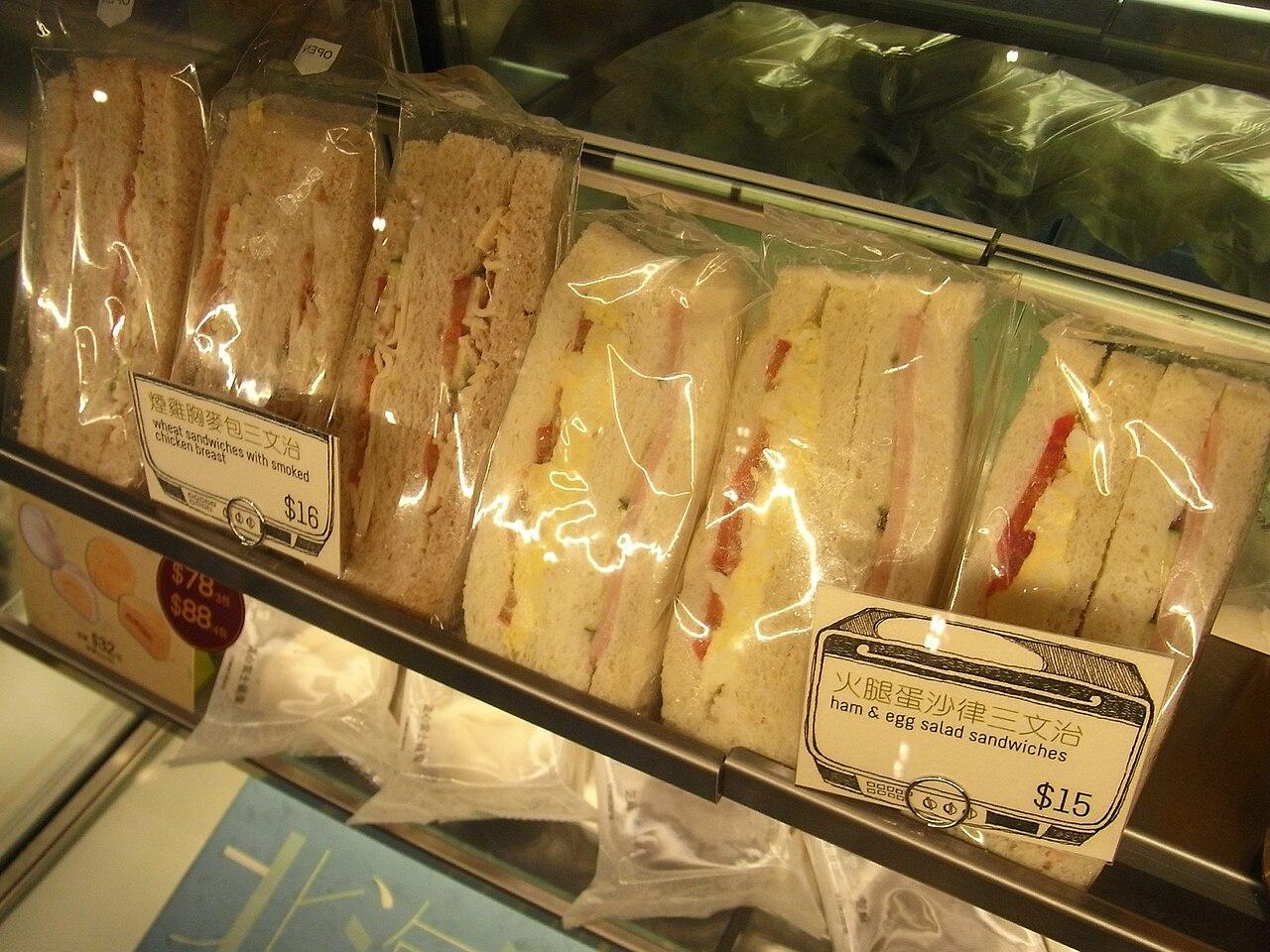
Shoppers with food allergies in New York State get a new protection this week. From November 12, 2026, food sellers must label prepackaged food they prepare and sell on the same premises with any of the nine major food allergens it contains.
The details below come from guidance published by the New York State Department of Agriculture and Markets, the agency that enforces the law.
What does the new law require?
The requirement comes from a new section of state law, Agriculture and Markets Law § 199-g. It was added by Chapter 494 of the Laws of 2025, which was signed on November 12, 2025, and takes effect a year later.
In the department's plain-language summary, any food that is packaged before it is sold must carry a label telling customers it contains one or more of the nine major allergens. The rule applies to "food establishments", which the law defines to include retail food stores.
Which foods are covered, and which are not?
The law covers food that is "prepared, prepacked, and offered or sold to customers on the same premises". The department gives these examples.
Must be labelled:
- single wrapped baked goods, such as a muffin or cookie, on the counter for self-service
- sandwiches, wraps and salads made in-house and set out in a grab-and-go cooler
- yogurt parfaits and cut-fruit cups in a self-service case
- bakery items boxed or bagged in advance and placed on the sales floor
- prepared meals packed in clamshells for a self-serve case
Not covered:
- bakery items packaged at the customer's request
- a sandwich wrapped after the customer orders it
- items packed to order at a deli or hot-food counter
- prepackaged foods kept behind the counter until a customer asks for them
What are the nine major allergens?
Milk, eggs, fish, crustacean shellfish, tree nuts, peanuts, wheat, soybeans and sesame. Sellers must name the specific type where it applies, for example the fish species, the nut, or "goat milk".
The guidance warns that allergens often hide in sub-ingredients. Its examples are whey (milk), semolina (wheat) and tahini (sesame).
How must labels show allergens?
The state follows federal rules, which allow either of two formats:
1. naming the allergen source in the ingredient list, for example "semolina [wheat]", or
2. a complete "Contains:" statement next to the ingredient list. If a seller uses this format, every allergen must appear in it.
The law exempts highly refined oils made from an allergen food, and ingredients exempted under the federal allergen labelling law. The department cautions sellers that a supplier label reading just "peanut oil" or "sesame oil" does not show whether the oil is highly refined.
What does it mean for shoppers?
Labels on self-serve, pre-wrapped items should now tell you about major allergens without you having to ask. Food that is packed to order, or kept behind the counter, is not covered, so it is still worth asking staff about those items.
If you have a serious allergy, follow your clinician's advice. A label is not a guarantee against cross-contact.
Image: Photo: Kaifung3wangfai / Wikimedia Commons, CC BY-SA 3.0 (https://commons.wikimedia.org/wiki/File:HK_Admiralty_Queensway_Plaza_LAB_Concept_pre-packed_Sandwiches_Aug-2012.JPG) — file photo, Hong Kong, 2012
About this article: prepared by The Daily Context editorial desk using automated, source-based reporting from the publications linked below. No reporter was on the ground.
Sources
- New York State Department of Agriculture and Markets, Allergens guidance (Nov 2026): https://agriculture.ny.gov/system/files/documents/2026/11/allergenlawguidance.pdf
Kabeer Ahmad
Kabeer Ahmad is the founder and editor of The Daily Context. He oversees the site's source-based coverage of world affairs, technology, business, entertainment, lifestyle and sports, and is responsible for its editorial standards, sourcing and corrections.