UK energy price cap: what Ofgem's 25 November announcement means for January bills
Ofgem will confirm Great Britain's January–March 2027 energy price cap by 25 November 2026; Cornwall Insight forecasts a 16% rise to about £1,999 a year for a typical household. The cap limits unit rates and standing charges for default tariffs, not total bills.
Households in England, Scotland and Wales on standard variable energy tariffs will learn by 25 November 2026 how much they can be charged from January. Ofgem, the energy regulator, has listed that date for announcing the price cap for 1 January to 31 March 2027.
Until then, every January figure is a forecast. This explainer separates what Ofgem has confirmed from what forecasters expect.
What is confirmed now?
The current cap runs from 1 October to 31 December 2026. According to Ofgem, a typical household paying by Direct Debit pays on average:
- Electricity: 26.32p per kWh, plus a standing charge of 54.83p a day
- Gas: 7.97p per kWh, plus a standing charge of 29.68p a day
These are averages across England, Scotland and Wales. Ofgem says the October rise was about 4% for a typical dual-fuel household and blames higher wholesale gas prices linked to the conflict in the Middle East.
The government has also removed VAT from electricity bills from 1 October 2026 to 31 March 2027, so electricity carries no VAT through the January quarter. Gas still carries 5% VAT.
What do forecasters expect for January?
Energy consultancy Cornwall Insight forecasts that the cap will rise by 16% in January, to about £1,999 a year for a typical dual-fuel household paying by Direct Debit. That is an increase of £276, which it calls the largest rise since January 2023.
Its forecast unit rates are about 30.28p per kWh for electricity and 9.76p per kWh for gas. Cornwall Insight says the forecast is based on wholesale market prices up to 28 September 2026. Ofgem sets the wholesale part of the cap from prices over a fixed observation window, so later market moves could change the final figure.
This is a single forecaster's projection, not an official figure.
What does the price cap cover, and what does it not?
Ofgem stresses that the cap:
- limits unit rates and standing charges, not your total bill. The more energy you use, the more you pay.
- only covers standard variable (default) tariffs. Households on a fixed tariff, business contracts, heat networks or heating oil are not covered.
- varies by region, payment method and meter type.
What can households do now?
1. Find out which tariff you are on. If you are on a fixed deal, the cap will not change your rates until that deal ends.
2. Take a meter reading around the end of December, so the change of rates on 1 January is billed accurately.
3. Review your Direct Debit after your supplier writes to you about new rates.
4. Ask for help early. Ofgem says suppliers must help customers who cannot pay, for example with a repayment plan or emergency credit.
The Daily Context will update this explainer with Ofgem's confirmed figures after the 25 November announcement.
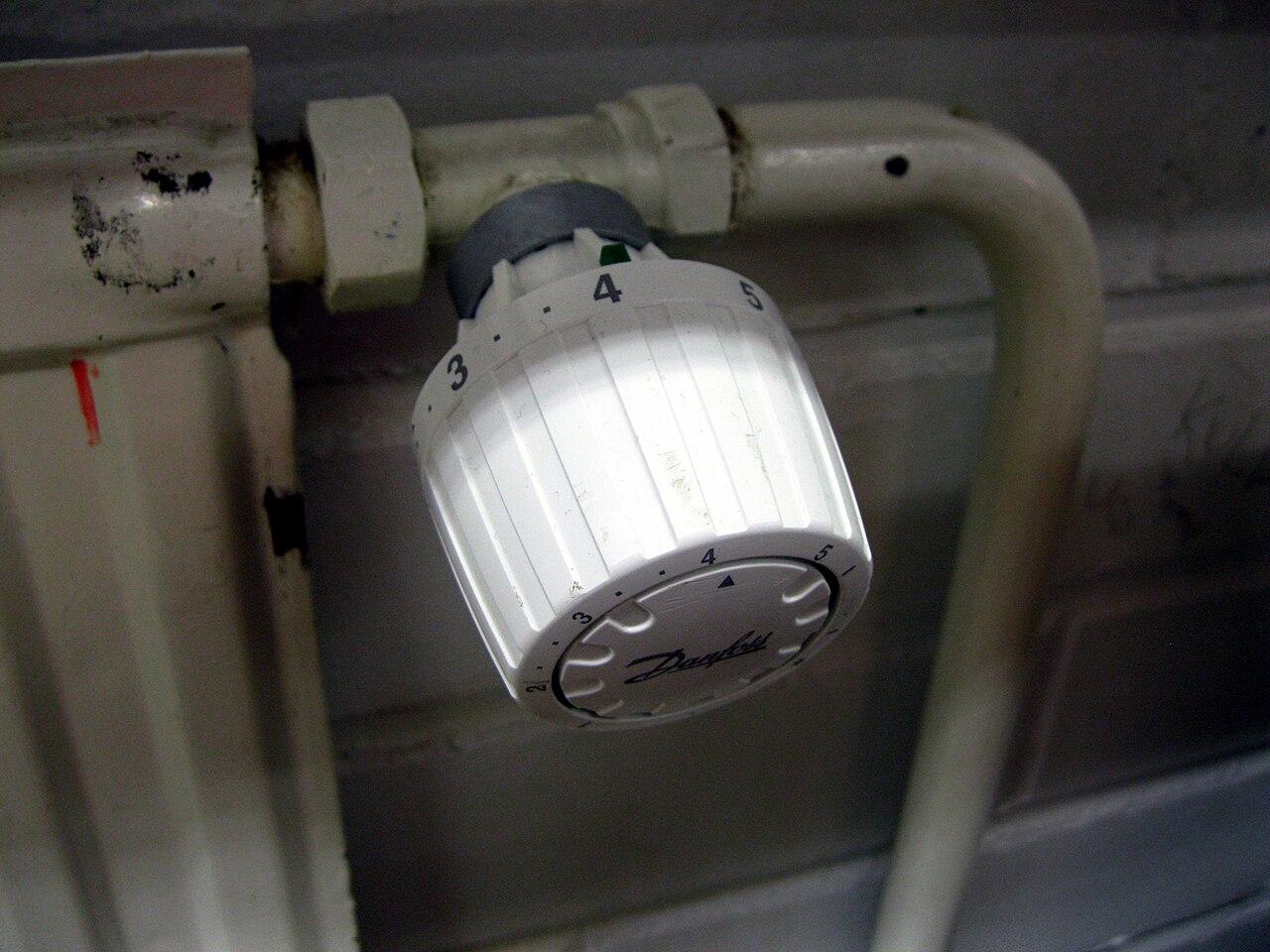
Image: Photo: Santeri Viinamäki / Wikimedia Commons, CC BY-SA 4.0 (https://commons.wikimedia.org/wiki/File:Danfoss_thermostatic_radiator_valve.jpg) — file photo
About this article: prepared by The Daily Context editorial desk using automated, source-based reporting from the publications linked below. No reporter was on the ground.
Sources
- Ofgem, Changes to energy price cap between 1 October and 31 December 2026 (published 26 Aug 2026): https://www.ofgem.gov.uk/news/changes-energy-price-cap-between-1-october-and-31-december-2026
- Ofgem, Energy price cap and standing charges explained: https://www.ofgem.gov.uk/information-consumers/energy-advice-households/energy-price-cap
- Cornwall Insight, 16% price cap rise forecast in January (30 Sep 2026): https://www.cornwall-insight.com/press-releases/16-price-cap-rise-forecast-in-january/
- Cornwall Insight, Default tariff cap predictions: https://www.cornwall-insight.com/predictions-and-insights-into-the-default-tariff-cap/
Kabeer Ahmad
Kabeer Ahmad is the founder and editor of The Daily Context. He oversees the site's source-based coverage of world affairs, technology, business, entertainment, lifestyle and sports, and is responsible for its editorial standards, sourcing and corrections.