Wegovy cut BMI in children as young as six in major trial, but it is not yet approved for them
A phase 3 trial published in the New England Journal of Medicine found that weekly semaglutide injections, the drug in Wegovy, lowered body mass index by 13.5% in children aged 6 to 11 with obesity, while BMI rose in children given a placebo. The drug is not approved for this age group in the US, and questions about long-term effects remain.
The weight-loss drug semaglutide, sold as Wegovy, significantly reduced body mass index (BMI) in children as young as six with obesity, according to a large clinical trial published on Monday 16 November 2026 in The New England Journal of Medicine (NEJM).
In the phase 3 STEP Young trial, children aged 6 to under 12 who received weekly semaglutide injections saw their BMI fall by an average of 13.5% over 68 weeks, while BMI rose by 2.7% in children given a placebo. About four in ten treated children no longer met the clinical definition of obesity at that point.
The results were presented at the ObesityWeek 2026 conference in Washington. They could support an application to widen the drug's use to younger children, but semaglutide is not currently approved in the United States for anyone under 12, and the researchers say important questions about the long term remain open.
What did the trial find?
STEP Young enrolled 167 children aged 6 to 11 in a double-blind trial, meaning neither families nor researchers knew who was getting the drug. Children were randomly assigned in a two-to-one ratio: 112 to semaglutide and 55 to placebo. All of them also received counselling on a reduced-calorie diet and more physical activity.
Most had severe obesity. More than 85% had what doctors call class II or class III obesity at the start of the trial, and nearly half already had at least one obesity-related complication such as high blood pressure, high cholesterol or sleep apnoea, CNBC reported.
According to the NEJM paper:
- BMI at 68 weeks: down 13.5% with semaglutide and up 2.7% with placebo, a difference of 16.2 percentage points. This was the trial's main result and counts every child, whether or not they kept taking the drug.
- BMI category: 79% of children on semaglutide moved down at least one BMI category, compared with 23% on placebo.
- Below the obesity threshold: 38% of children on semaglutide had a BMI below the obesity cut-off for their age and sex, compared with 2% on placebo.
- At two years: at week 104, BMI was 9.4% below the starting point with semaglutide and 8.4% above it with placebo.
Why are there different headline numbers?
Novo Nordisk's announcement led with larger figures: a 17.4% fall in BMI, and a BMI reduction of at least 10% in almost 80% of treated children compared with none on placebo.
Those figures come from a different analysis that estimates what would have happened if every child had stayed on treatment. The company says several of them are supportive end points that were not adjusted for multiple comparisons and "should not be used to infer definitive treatment effects". Counting all children as assigned, the company reports the 10% figure as 74.7% for semaglutide versus 4.3% for placebo.
Contemporary Pediatrics, a journal for children's doctors, noted that the more conservative 13.5% reduction is the trial's prespecified primary result. It also pointed out that the semaglutide group's average BMI reduction narrowed between week 68 and week 104, even though the gap with placebo held.
BMI also works differently in children. Because children are still growing, their BMI is judged against charts for their age and sex. Ynet, an Israeli news site (Israel contributed 16 of the trial's children), explained that a 10% drop in BMI does not necessarily mean a child lost 10% of their body weight, and that leaving the obesity category is not the same as reaching a healthy weight.
What about side effects?
Side effects were common in both groups. According to the NEJM abstract, adverse events were reported in 96% of children on semaglutide and 93% on placebo. Stomach and bowel problems such as nausea, vomiting and diarrhoea were the most common and were more frequent with semaglutide. One child on semaglutide stopped treatment because of them.
Novo Nordisk said the safety profile was consistent with earlier trials in teenagers and adults, and that no concerns were identified for growth or puberty. Those statements come from the company, which funded the trial; several of the paper's authors work for Novo Nordisk.
In the US, semaglutide 2.4 mg carries a boxed warning about a possible risk of thyroid tumours, and it should not be used by people with a personal or family history of a rare thyroid cancer called medullary thyroid carcinoma or the inherited condition MEN 2. That is an existing warning on the drug, not a finding from this trial.
Why does this matter?
Childhood obesity is rising worldwide. The World Obesity Federation estimates it affected about 177 million children and teenagers aged 5 to 19 in 2025, a number projected to reach 228 million by 2040. It is linked to type 2 diabetes, high blood pressure, abnormal cholesterol and sleep apnoea, some of which can begin in childhood and continue into adult life.
Wegovy is already approved for obesity in children aged 12 and over, but there are currently no approved medicines for under-12s in the US, CNBC reported. US paediatric guidelines from 2023 recommend offering weight-loss medication to adolescents aged 12 and over alongside intensive lifestyle treatment, leaving few options for younger children with severe obesity.
"Severe obesity can profoundly affect a child's physical health, emotional well-being, and daily life," said lead author Ania Jastreboff of the Yale School of Medicine. She said treatment was accompanied by improvements in several measures of heart and metabolic health.
Zohar Landau, head of paediatric endocrinology at Israel's Meuhedet Health Services, told Ynet she sees young children with severe obesity every day who have not improved with lifestyle changes alone, and called the study "very important and groundbreaking".
What is still unknown?
Quite a lot, by the researchers' own account:
- The long term: Andrea Traina, Novo Nordisk's medical director for obesity, told CNBC that the two-year study does not show whether treating obesity early changes its course over a lifetime, or what treatment and maintenance should look like as children grow up. "That is something that is still an evidence gap," she said.
- Stopping treatment: the trial included a seven-week period off the drug, but the published abstract does not report what happened during it.
- Rare harms: with 167 children, the trial is too small to rule out uncommon side effects.
- Who it applies to: most participants had severe obesity, so the results may not apply to children with milder obesity.
What happens next?
Regulators would need to review the data before semaglutide could be approved for children under 12. Novo Nordisk's announcement did not say when it will seek approval for this age group. Any decision on whether a particular child should be treated is one for families and their doctors.
The Daily Context previously reported on the US Food and Drug Administration's eye-related safety warning for GLP-1 drugs, the class of medicines that includes semaglutide.
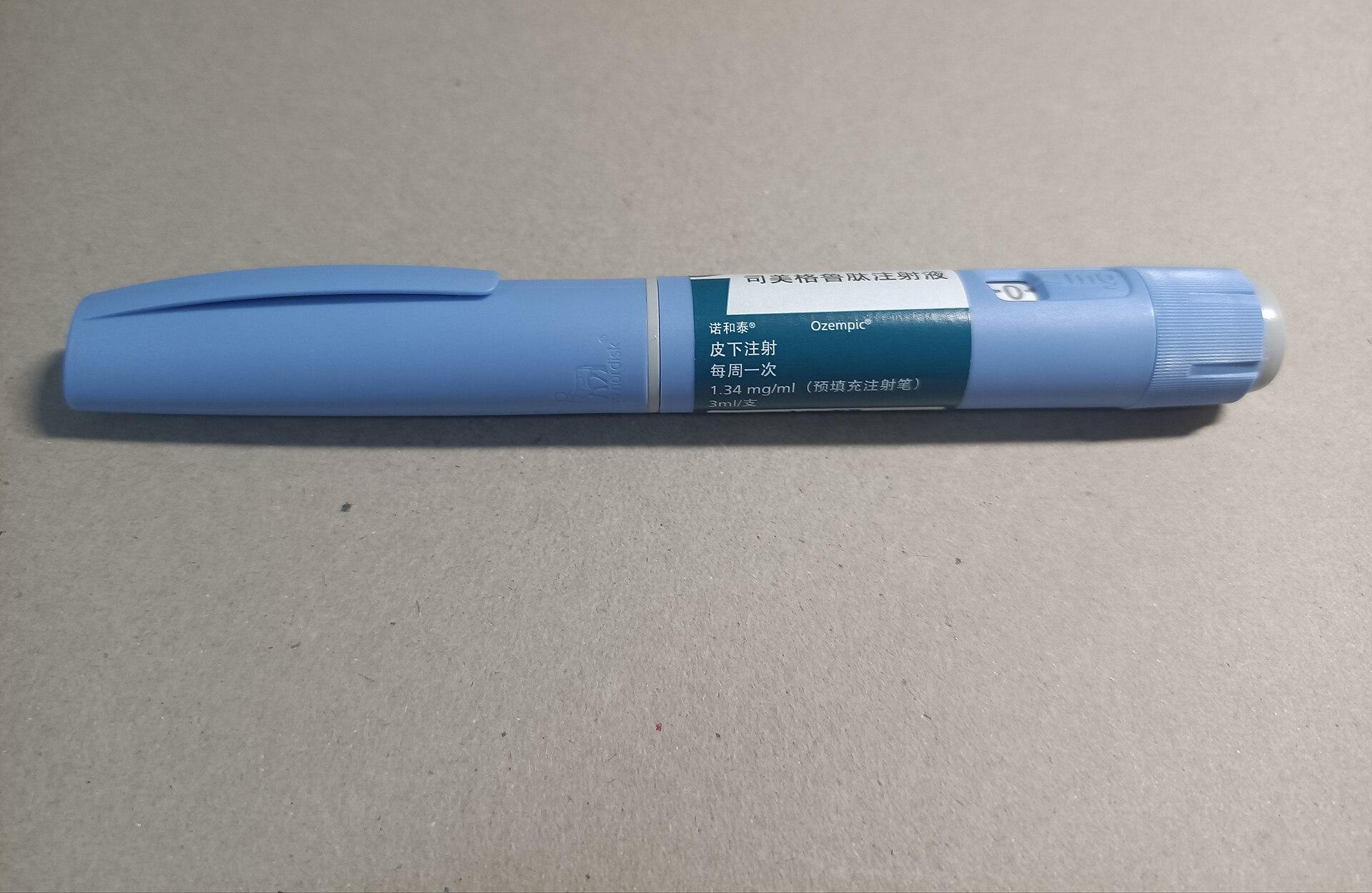
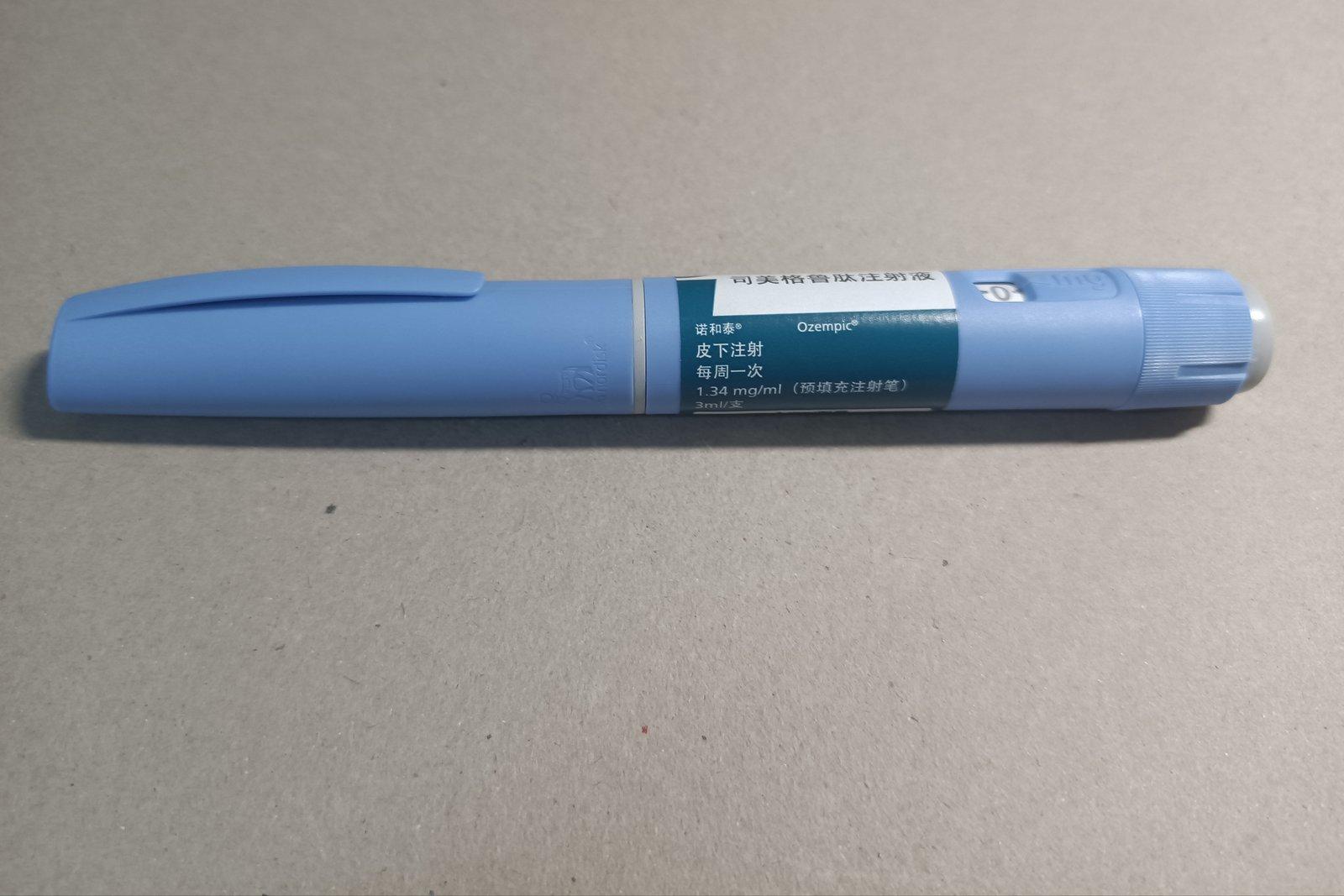
Image: HualinXMN, CC BY-SA 4.0 (https://creativecommons.org/licenses/by-sa/4.0/), via Wikimedia Commons (https://commons.wikimedia.org/wiki/File:Ozempic%C2%AE_3ml.jpg) — June 2023 file photo of an Ozempic semaglutide pen sold in mainland China; Ozempic contains the same active ingredient as Wegovy but is a different product; illustrative only, cropped and resized
About this article: prepared by The Daily Context editorial desk using automated, source-based reporting from the publications linked below. No reporter was on the ground.
Sources
- The New England Journal of Medicine: Semaglutide for the Treatment of Obesity in Children 6 to <12 Years of Age (16 November 2026) https://www.nejm.org/doi/full/10.1056/NEJMoa2604058
- Novo Nordisk (PR Newswire): Wegovy resulted in a BMI reduction of 10% or more in almost 80% of children with obesity aged 6 to under 12... in STEP Young trial (16 November 2026) https://www.prnewswire.com/news-releases/wegovy-resulted-in-a-bmi-reduction-of-10-or-more-in-almost-80-of-children-with-obesity-aged-6-to-under-12-compared-to-0-with-placebo-in-step-young-trial-published-in-the-new-england-journal-of-medicine-302940442.html
- CNBC: Novo says Wegovy injection lowers BMI and obesity rates in children in trial (16 November 2026) https://www.cnbc.com/2026/11/16/novo-wegovy-obesity-children-trial.html
- Contemporary Pediatrics: Semaglutide cuts BMI 13.5% in children aged 6 to 11 with obesity (16 November 2026) https://www.contemporarypediatrics.com/view/semaglutide-cuts-bmi-13-5-in-children-aged-6-to-11-with-obesity
- Ynet: Weight-loss drug Wegovy shows promising results in children as young as 6, major study finds (November 2026) https://www.ynetnews.com/health_science/article/hjbxpaucgl
- ClinicalTrials.gov: STEP Young (NCT05726227) https://clinicaltrials.gov/study/NCT05726227
Kabeer Ahmad
Kabeer Ahmad is the founder and editor of The Daily Context. He oversees the site's source-based coverage of world affairs, technology, business, entertainment, lifestyle and sports, and is responsible for its editorial standards, sourcing and corrections.