US, Mexico and Bolivia lose measles elimination status as cases surge across the Americas
The United States has lost the measles elimination status it held since 2000. The Pan American Health Organization said on 17 November 2026 that the same measles lineage had spread without a break for more than 12 months in the US, Mexico and Bolivia. The Americas have reported 58,213 cases and 82 deaths so far this year.
Measles is officially endemic in the United States again. On Tuesday, 17 November 2026, the Pan American Health Organization (PAHO) said the US, Mexico and Bolivia have all lost their measles elimination status. A regional expert commission found that the same strain of the virus had kept spreading in each country for 12 months or more.
The US had held elimination status since 2000. The decision ends that 26-year run and marks a serious setback for the Americas, which was the first region in the world to eliminate the disease.
What did PAHO decide?
The decision came from PAHO's Measles, Rubella and Congenital Rubella Syndrome Elimination Regional Monitoring and Re-Verification Commission. The commission met in Washington, D.C. from 10 to 13 November. PAHO Director Dr Jarbas Barbosa accepted its findings, and PAHO said endemic transmission had been "re-established" in Bolivia, Mexico and the United States.
Under the commission's rules, a country loses its status when the same genotype and lineage of measles virus circulates without a break for at least a year. According to UPI, the experts traced one unbroken chain of transmission in the US back to 20 January 2025. Barbosa notified US Health Secretary Robert F. Kennedy Jr. in a letter dated 13 November.
NBC News reported that the eight-member commission looked at genetic data from locally acquired cases to work out whether outbreaks in different states were linked. It also looked at vaccination coverage, the quality of disease surveillance and whether the country had the plans and resources to respond to outbreaks.
"Losing measles elimination status is much more than losing a public health designation," Barbosa said. "It means the virus has circulated for a prolonged period, putting families and communities at risk of preventable illness, hospitalization and death."
How bad is measles in the Americas right now?
PAHO said the region had confirmed 58,213 measles cases and 82 deaths as of 13 November 2026, up from 12,806 cases in the same period last year.
In the US, NBC News reported more than 5,400 cases so far this year, citing state health departments. That is more than double last year's total and the highest number since 1991. Ten people have died, and at least four of them were babies too young to be vaccinated. Noel Brewer, a public health professor at the University of North Carolina at Chapel Hill, told NBC that the US had seen more measles cases in the past 18 months than in the previous 25 years combined.
Canada lost its own elimination status in November 2025 after a long outbreak, which also cost the Americas its status as a region. PAHO said on Tuesday that Canada has since broken the chain of transmission linked to that outbreak and is working to win its status back.
Why is measles spreading again?
Health officials point to gaps in vaccination. Measles is one of the most contagious diseases known. PAHO says one infected person can pass it to as many as 18 people who are not immune. To stop outbreaks, about 95% of people need to be protected.
CDC figures cited in the agency's own statement show that MMR vaccination among US kindergartners fell from 95.2% in the 2019–2020 school year to 92.7% in 2023–2024. NBC News put coverage at 92% for 2025–26. It also found that 75% of counties and jurisdictions with data for kindergartners are below the 95% threshold. In a few rural counties, fewer than half of kindergartners are vaccinated.
PAHO said national averages can hide pockets of low immunity in particular communities. It blamed missed vaccinations, barriers to health services, misinformation and vaccine hesitancy. The CDC statement also cited disruption to routine childhood vaccination during the Covid-19 pandemic and falling trust in health institutions.
Political leaders have also faced criticism. NBC News noted that Kennedy has questioned the safety and effectiveness of measles vaccines, and that President Donald Trump suggested in August that the combined shot could be "quite lethal". Decades of evidence show the vaccine is safe.
How has the US government responded?
The CDC put out a joint statement with public health groups saying they are committed to stopping outbreaks and regaining elimination status. The groups promised to encourage MMR vaccination, widen access to vaccines, strengthen data sharing and "hold ourselves accountable for measurable progress."
"The measles elimination designation is not what protects Americans. Vaccination does," CDC Director Dr Erica Schwartz said. She said the agency knows where transmission is happening and has invested $100 million in state and local health departments. The CDC said this funding has gone out since August, split between two cooperative agreements, and covers most of 2027. The statement also said Kennedy and Schwartz continue to recommend MMR vaccination as the most effective protection.
According to the CDC, Texas, South Carolina, Virginia, Kansas, New Mexico and Wisconsin have asked for help from its outbreak teams, and Pennsylvania and New York have since done the same.
Some public health experts say the response has not gone far enough. Brewer told NBC News that "the lack of action to address the growing outbreak is clear negligence."
What does losing elimination status mean for ordinary people?
DW described the designation as largely symbolic in practical terms. The status itself does not change the risk to any one person, but it confirms that measles is now spreading inside the country rather than only arriving through travel.
The people most at risk are those who are not protected. That includes babies under 12 months, who usually cannot have their first MMR dose yet, and people who cannot be vaccinated for medical reasons. NBC News reported that some health departments in outbreak areas now recommend an early dose for infants from six months old.
For most people, health agencies give the same advice as before: check that you and your children are up to date with two doses of MMR vaccine. If you are unsure, ask a doctor or your local health department.
What happens next?
PAHO said all three countries are strengthening vaccination, surveillance and outbreak response. Dr Daniel Salas, who runs PAHO's immunization programme, said the US is expected to submit a corrective action plan in the coming weeks.
Canada's experience shows that interrupting an outbreak is only the first step: PAHO says Canada still needs to keep up vaccination and surveillance before it can reclaim its status. Experts quoted by NBC News said regaining elimination could take the US years. "This is a serious warning for our Region, but it is not an irreversible setback," Barbosa said.
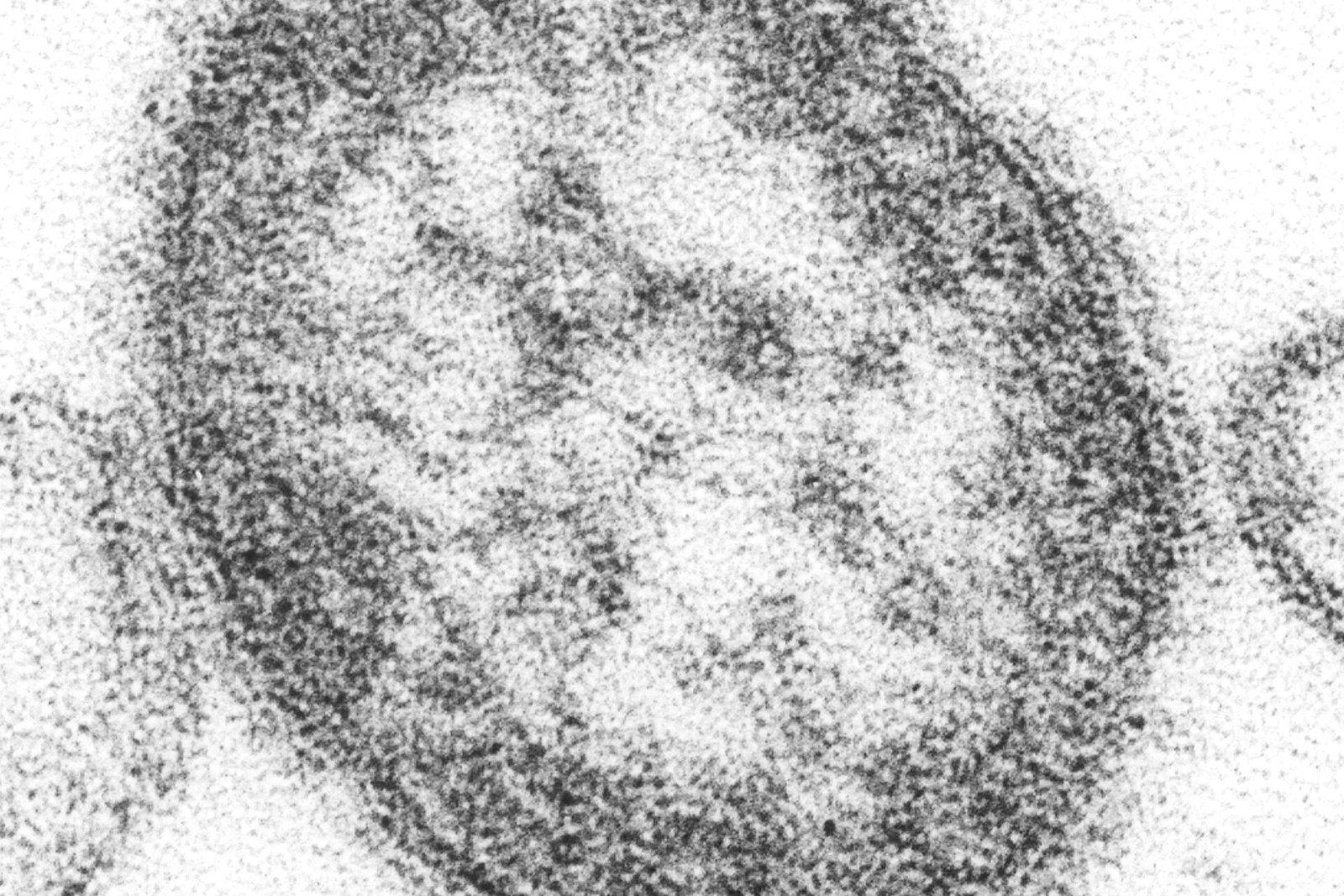
Image: Cynthia S. Goldsmith and William Bellini, CDC Public Health Image Library #8429, public domain, via Wikimedia Commons (https://commons.wikimedia.org/wiki/File:Measles_virus.JPG) — transmission electron micrograph of a measles virus particle
About this article: prepared by The Daily Context editorial desk using automated, source-based reporting from the publications linked below. No reporter was on the ground.
Sources
- Pan American Health Organization: PAHO urges countries to step up efforts to stop measles outbreaks and move towards elimination in the Americas (17 November 2026) https://www.paho.org/en/news/17-11-2026-paho-urges-countries-step-efforts-stop-measles-outbreaks-and-move-towards
- US Centers for Disease Control and Prevention: Joint Statement: Loss of U.S. Measles Elimination Status (17 November 2026) https://www.cdc.gov/media/releases/2026/loss-of-usmeasles-elimination-status.html
- NBC News: U.S. loses measles-elimination status, erasing decades of progress (17 November 2026) https://www.nbcnews.com/health/health-news/measles-no-longer-eliminated-us-rcna607920
- UPI: U.S. loses measles elimination status as outbreaks spread in Americas (17 November 2026) https://www.upi.com/Top_News/US/2026/11/17/latam-us-mexico-bolivia-measles-outbreaks/4691794941687/
- DW: US and Mexico lose measles-free status (17 November 2026) https://www.dw.com/en/us-and-mexico-lose-measles-free-status/a-79973966
Kabeer Ahmad
Kabeer Ahmad is the founder and editor of The Daily Context. He oversees the site's source-based coverage of world affairs, technology, business, entertainment, lifestyle and sports, and is responsible for its editorial standards, sourcing and corrections.