Iringa bus and lorry crash kills 23 on Tanzania's TANZAM highway
At least 23 people died after a passenger bus collided with a cargo lorry at Kiponzelo junction on the Iringa–Mbeya highway in southern Tanzania on Monday 9 November 2026. Police point to suspected brake failure and the bus entering the main road unsafely; families began collecting bodies on Tuesday.
At least 23 people have died after a passenger bus collided with a cargo lorry at a junction on the Iringa–Mbeya highway in southern Tanzania on the morning of Monday 9 November 2026. Regional police first reported 21 dead, including two young boys, and five injured; later that day the head of Iringa Regional Referral Hospital said two more people had died, leaving four survivors in treatment.
Police say their preliminary findings point to a suspected brake failure on the bus as it pulled onto the main road from a dirt feeder road, and the regional police commander has also blamed the driver for entering the highway without taking precautions. The bus driver was among those killed. On Tuesday 10 November, relatives began collecting bodies from the regional hospital for burial.
What happened at Kiponzelo junction?
The crash happened at around 7am on Monday at Masumbo, at the Kiponzelo junction (also spelled Kiponzero) on the highway linking Iringa and Mbeya, according to Tanzania's state-owned Daily News and The Citizen. This road is part of the TANZAM highway, the main trunk route that carries freight from the port of Dar es Salaam inland towards Zambia and the Democratic Republic of Congo.
The bus, operated by Maokoto Bus Services (reported by Daily News as Maokoto Express), was travelling from Wasa village in Iringa District towards Iringa town. It was joining the main road from a dusty feeder road when it collided with a Scania lorry pulling a trailer, Daily News reports. The lorry belonged to a company named as Overland Quick International Delivery, was driven by a 64-year-old resident of Dar es Salaam and was heading from Iringa towards the DRC.
The Chanzo, an independent Tanzanian outlet, describes the bus as a Fuso, a smaller type of bus widely used on rural routes, and reports that the lorry was already travelling along the main road when the bus entered it.
How many people died and who were they?
The Iringa Regional Police Force's statement on Monday morning said 21 people had died: 10 men, nine women and two children. Daily News and The Chanzo report that the children were boys aged between three and five. The Chanzo says the bus driver, identified only by his first name, Amos, was among the dead.
Five people were initially reported injured. Regional police commander Senior Assistant Commissioner of Police Allan Bukumbi said one man was admitted to Iringa Regional Referral Hospital, a woman was being treated at Ipamba hospital and three others were taken to Masumbo Dispensary in Fufu, according to Daily News.
Later on Monday, the hospital's medical officer-in-charge, Alfred Mwakalebela, said the death toll had risen to 23, with four people still receiving treatment: three women and one man, Daily News reports. The Swahili-language newspaper Mwananchi also reports 23 deaths, saying two more people died during the night. Earlier reports, including from Xinhua and The Citizen, carry the first police figure of 21.
On Tuesday, families began collecting the bodies of their relatives from Iringa Regional Referral Hospital, Mwananchi reports. Some are to be buried locally, in Kiponzelo, Masisiwe and Kihesa in Iringa Region, and others are being taken to Mwanza and elsewhere.
What caused the crash?
The official cause has not yet been established. Police said a full investigation would determine it.
Two explanations have been given by police so far. The police statement, as reported by The Citizen and Xinhua, said initial information pointed to a suspected brake system failure on the bus that left the driver unable to control it before it hit the lorry. Daily News reports that Commander Bukumbi said preliminary investigations indicated brake failure had contributed, and that eyewitnesses said the bus pulled onto the highway at high speed.
Speaking to journalists at the scene, Bukumbi also placed the blame on the driver's actions. "The cause of this accident was negligence by the driver, who entered the main road from a smaller road," he said, according to The Chanzo. The two accounts are not necessarily contradictory, but they put different weight on mechanical failure and driver behaviour, and the final investigation may settle which mattered more.
Bukumbi urged motorists joining major highways from feeder roads to take care, and drivers on the highway to stay alert at junctions where other vehicles may join. He said police would keep up vehicle inspections and monitoring, stressing that a vehicle's mechanical fitness alone could not prevent crashes caused by irresponsible driving.
How has the government responded?
President Samia Suluhu Hassan sent condolences on Monday to Iringa Regional Commissioner Kheri James, the bereaved families and all Tanzanians affected. "I pray that the Almighty grants the bereaved comfort, patience and strength during this difficult period, and a speedy recovery to all those injured," she said, as quoted by The Chanzo. Daily News reports that she directed the police to step up enforcement of road safety rules and urged drivers and other road users to follow traffic laws.
Is this part of a wider pattern of deadly crashes?
The Iringa collision is the latest in a run of mass-casualty incidents in Tanzania. On the night of 8 to 9 October, a Green Line passenger bus and a lorry carrying timber collided head-on at Mkambarani in Morogoro Region; the bus caught fire and 28 people died, some of whom had to be identified by DNA testing, according to Mwananchi. A separate three-vehicle crash at Dakawa on the Morogoro–Dar es Salaam road the next day killed four people, including police officers.
The Chanzo also lists a 21 September crash at Sekenke Hill in Singida Region, where a fuel tanker hit a police vehicle and killed five police officers and seven remand detainees, and a 22 September head-on collision between a Coaster bus and a truck in Rufiji District that killed eight. It counts 73 deaths in those selected incidents since 21 September, while noting this is not a national total.
Mwananchi, counting road, rail and water incidents it has tracked, says 68 people died in the 32 days from 8 October to 9 November. That includes seven deaths in a crash involving a lorry, a bajaji (auto-rickshaw) and a motorcycle in Mtwara on 3 November, two people who died jumping from a derailing freight train in Njombe on 5 November, and three deaths in a fire aboard the vessel MV Chambo on Lake Nyasa on 11 October.
Are road deaths in Tanzania rising or falling?
The official national picture is more mixed than the recent run of disasters suggests. Home Affairs Minister Paschal Katambi told Parliament in May that 1,066 people died and 1,869 were injured in road crashes between July 2025 and April 2026, according to The Chanzo, and that deaths were 16.4% lower than in the comparable earlier period. He credited stepped-up enforcement, including patrols on major roads, and said about three million drivers had faced warnings, fines, prosecution or licence suspension.
Those figures cover a period before the latest crashes and come from the government itself. They do not show whether the decline has held in recent months, and a fall in total deaths can coexist with more frequent large crashes involving buses and heavy lorries, which are the incidents that draw the most attention.
What happens next?
Police in Iringa are investigating to establish the official cause, which is likely to focus on the bus's brakes and how it entered the highway. Burials are taking place across Iringa Region and beyond this week. We will update this article if the death toll changes, if police publish their findings or if anyone is charged.
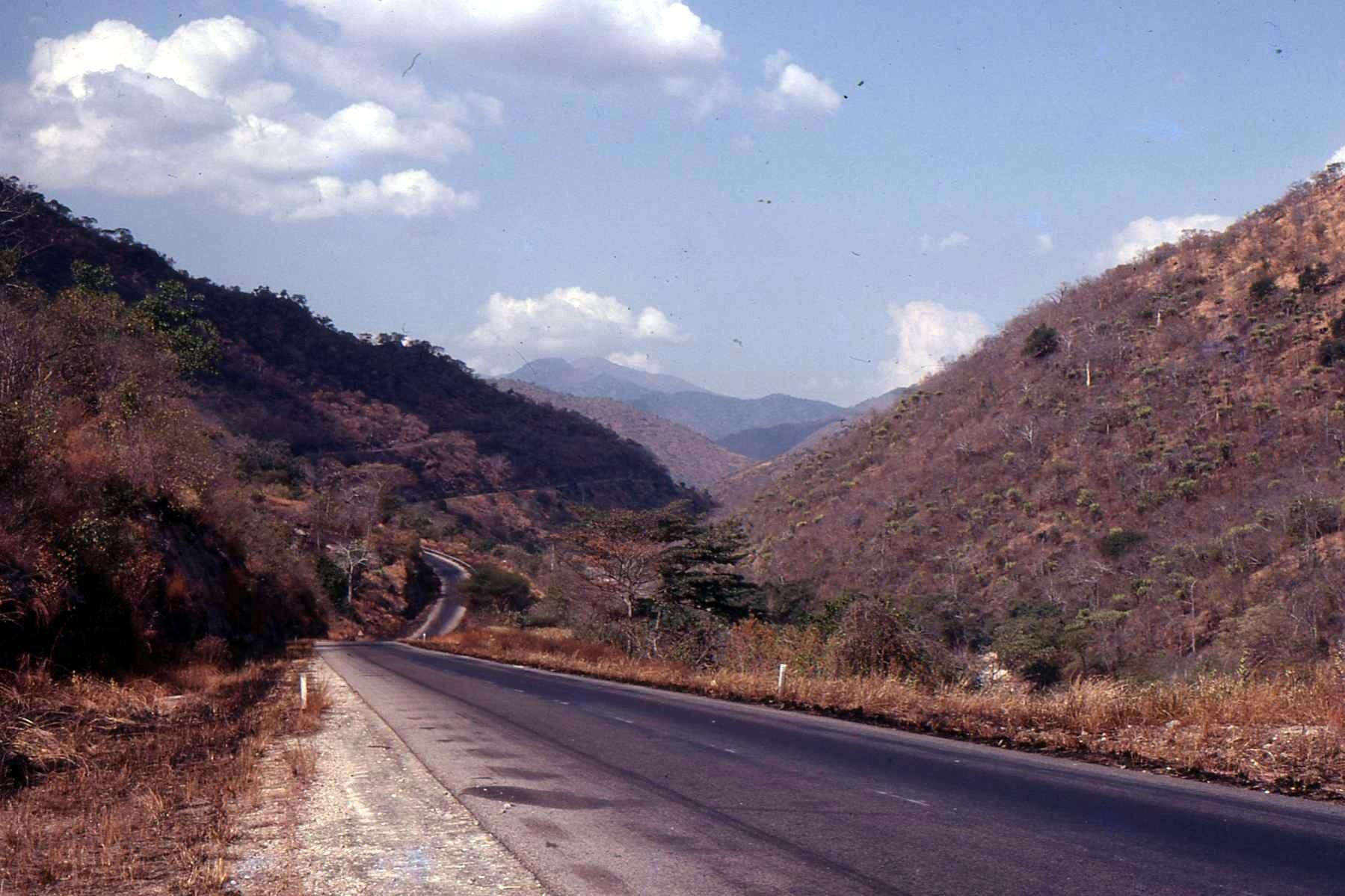
Image: Photo: mwanasimba from La Réunion, CC BY-SA 2.0, via Wikimedia Commons (https://commons.wikimedia.org/wiki/File:Road_between_Iringa_and_Mikumi_(3182287624).jpg) — January 2009 file photo of the highway east of Iringa; not the crash site
About this article: prepared by The Daily Context editorial desk using automated, source-based reporting from the publications linked below. No reporter was on the ground.
Sources
- Daily News (Tanzania): https://dailynews.co.tz/samia-mourns-23-crash-victims/
- The Chanzo: https://thechanzo.com/2026/11/10/two-boys-among-21-killed-as-bus-and-lorry-collide-at-kiponzelo-junction-in-iringa/
- The Citizen (Tanzania): https://www.thecitizen.co.tz/tanzania/news/national/21-killed-five-injured-in-iringa-bus-lorry-collision-5663860
- Mwananchi (Swahili): https://www.mwananchi.co.tz/mw/habari/kitaifa/machungu-ya-ajali-iringa-familia-zaanza-kuchukua-miili-5665102
- Xinhua: https://english.news.cn/africa/20261110/6670ceee321e482d983c24f64f726e40/c.html
Kabeer Ahmad
Kabeer Ahmad is the founder and editor of The Daily Context. He oversees the site's source-based coverage of world affairs, technology, business, entertainment, lifestyle and sports, and is responsible for its editorial standards, sourcing and corrections.