At least 22 migrants die on boats off Crete as Libya crossings surge
At least 22 people died and two are missing after two migrant boats from Libya got into trouble south of Crete between 7 and 9 November. Survivors said they ran out of fuel, food and water after days at sea, and two Sudanese nationals have been arrested as suspected smugglers. The deaths come as arrivals on the Libya-to-Crete route keep rising.
At least 22 people have died and two are missing after two boats carrying migrants from Libya got into difficulty south of the Greek island of Crete over three days, Greek authorities say. One boat was found on Monday 9 November 2026 with 13 bodies on board and 18 survivors, one of whom later died. Another, which first raised the alarm on Friday 7 November and was recovered over the weekend, had eight dead and 28 Sudanese survivors.
Survivors told the coast guard they had run out of fuel, food and drinking water after several days at sea. Two Sudanese nationals have been arrested and accused of being in charge of the second boat. More than 180 other people were rescued from three more boats on Monday alone, and local media report further arrivals and bodies found along Crete's southern coast since.
What happened south of Crete?
The first incident began on the afternoon of Friday 7 November, when port authorities were told that a boat with foreign nationals was in serious difficulty about six nautical miles south-southwest of Kaloi Limenes, a small port on Crete's southern coast, according to Greek public broadcaster ERT and Euronews, citing the Hellenic Coast Guard.
The tug Pyrrhos reached the boat and took on board 28 Sudanese nationals and the body of a man. Survivors said two more people had fallen into the sea and were missing. Strong northerly winds of force 6 to 7 on the Beaufort scale made it too dangerous to tow the boat or continue the recovery, ERT reports. When the boat was found again early the next morning, seven more bodies were inside. It was taken to Kaloi Limenes. Two of the 28 survivors were admitted to the University General Hospital of Heraklion.
The second boat was spotted in the early hours of Monday 9 November by a Moroccan-flagged container ship about 15 nautical miles (28km) southeast of Kaloi Limenes, according to ERT (Euronews gave the position as south-southwest). A coast guard vessel rescued 18 people and recovered the dead, taking them towards the port of Agia Galini. The coast guard first reported 12 bodies, then raised that figure to 13, AP reports. One survivor later died at a health centre in Crete, bringing the death toll from that boat to 14.
The BBC, citing the coast guard, says all 18 survivors from the second boat were Sudanese and four were taken to hospital, including a toddler. AP said there was no immediate official information on the nationalities of those on board. An unnamed coast guard official told Reuters the survivors were "shivering from the cold". Authorities say it is not yet clear what caused the deaths, but they believe the boat had been at sea for days and struggled to reach shore because of strong winds.
Who has been arrested and what do survivors say?
Passengers from the first boat told investigators they had left the Libyan coast on 3 or 4 November, each paying between 12,000 and 16,000 Libyan dinars for the crossing to Greece, according to ERT. Greek Herald, citing the coast guard, reports that the boat had been at sea for about five days and that passengers described running out of fuel, food and water.
Two Sudanese nationals, aged 28 and 16, were arrested after other passengers identified them as the people running the trip. They face charges of illegal entry, facilitating illegal entry, forming a criminal group and exposure to danger resulting in death. The Central Port Authority of Heraklion is leading the preliminary investigation. No charges have yet been reported in connection with the second boat.
Giannis Sarantidis, secretary general of the Eastern Crete Coast Guard Personnel Union, described survivors being forced to remain on boats alongside the dead, and the psychological toll on rescue crews, Greek Herald reports. The union has renewed calls for more staff and equipment.
Were other boats found?
Yes. On Monday, Frontex, the European Union's border agency, used a crewed aircraft and a drone to locate two more boats about 30 and 31 nautical miles south of Kaloi Limenes, carrying about 47 and 40 people. All were taken aboard Frontex vessels and brought to Crete, ERT reports. AP reports a third boat with about 100 people. The BBC says the coast guard rescued 187 people in three separate incidents on Monday.
Arrivals continued on Tuesday. CNN Greece, citing the local outlet Neakriti, reported on 10 November that 119 more people reached southern Crete in three incidents, including two landings totalling 84 people at Dyskos in the Gortyna municipality and a boat with 35 people found about 22 nautical miles south of Gavdos on Monday evening.
The same report said two unidentified and badly decomposed bodies were found on Monday afternoon on Sarakiniko beach on Gavdos, and the body of a man was recovered near Chrysi island and taken to Ierapetra, where a post-mortem and DNA sampling were ordered. Authorities have not said whether those deaths are linked to the boats described above. CNN Greece puts the number of bodies recovered in the Gavdos and Ierapetra sea areas at 25, a higher count than the 22 confirmed in the two boat incidents.
Why is the Libya-to-Crete route so busy?
Crossings from Libya to Crete have surged in recent years, even as irregular arrivals to the EU as a whole have fallen. Frontex said in October that around 31,800 crossings were recorded on the eastern Mediterranean route in the first three quarters of 2026, down 15% on the same period last year, but that the Libya-to-Crete corridor was the busiest part of that route, ahead of the eastern Aegean islands and the land border with Turkey, AP reports. Irregular border crossings into the EU overall were down by about a third.
The BBC reports that more than 37,000 migrants have arrived in Greece so far this year, according to UN figures, already above the total for all of 2025, and that more than 22,000 sea arrivals have landed in Crete. About 1,700 people reached the island in the first three days of November alone, Greek authorities said.
Many of those making the crossing are fleeing the war in Sudan, while others come from countries including Bangladesh in search of work, the BBC notes. The sea journey from Libya to Crete is much longer than the short crossing from Turkey to the Aegean islands, and small, overcrowded boats are exposed to autumn storms. Last month, 12 people, including an infant, died when two boats travelling from Turkey to Lesbos and Samos capsized, AP reports.
How is Greece responding?
Migration and Asylum Minister Thanos Plevris has warned of growing pressure on Crete's reception facilities, Greek Herald reports, and the government has announced plans for a temporary housing complex near Heraklion, according to the BBC.
Rights groups and rescue organisations have long argued that tougher border policies push people towards longer, riskier routes. Greece remains under scrutiny over the June 2023 Pylos shipwreck, in which hundreds of people are feared to have died, and over how quickly it responds to boats in distress. None of the reports reviewed for this article suggest delays in the latest rescues, which the coast guard says were coordinated by its Joint Rescue Coordination Centre with help from a merchant ship and Frontex.
What happens next?
The Heraklion port authority's investigation will try to establish how the victims died, including whether cold, dehydration or exposure was responsible, and who organised both trips. Identification of the dead may take time; few details have been released about their names or ages. Two people from the first boat are still missing.
Departures from Libya are continuing, and arrivals reported on Tuesday suggest more boats are likely in the coming days. This article will be updated if the death toll changes or investigators release more details.
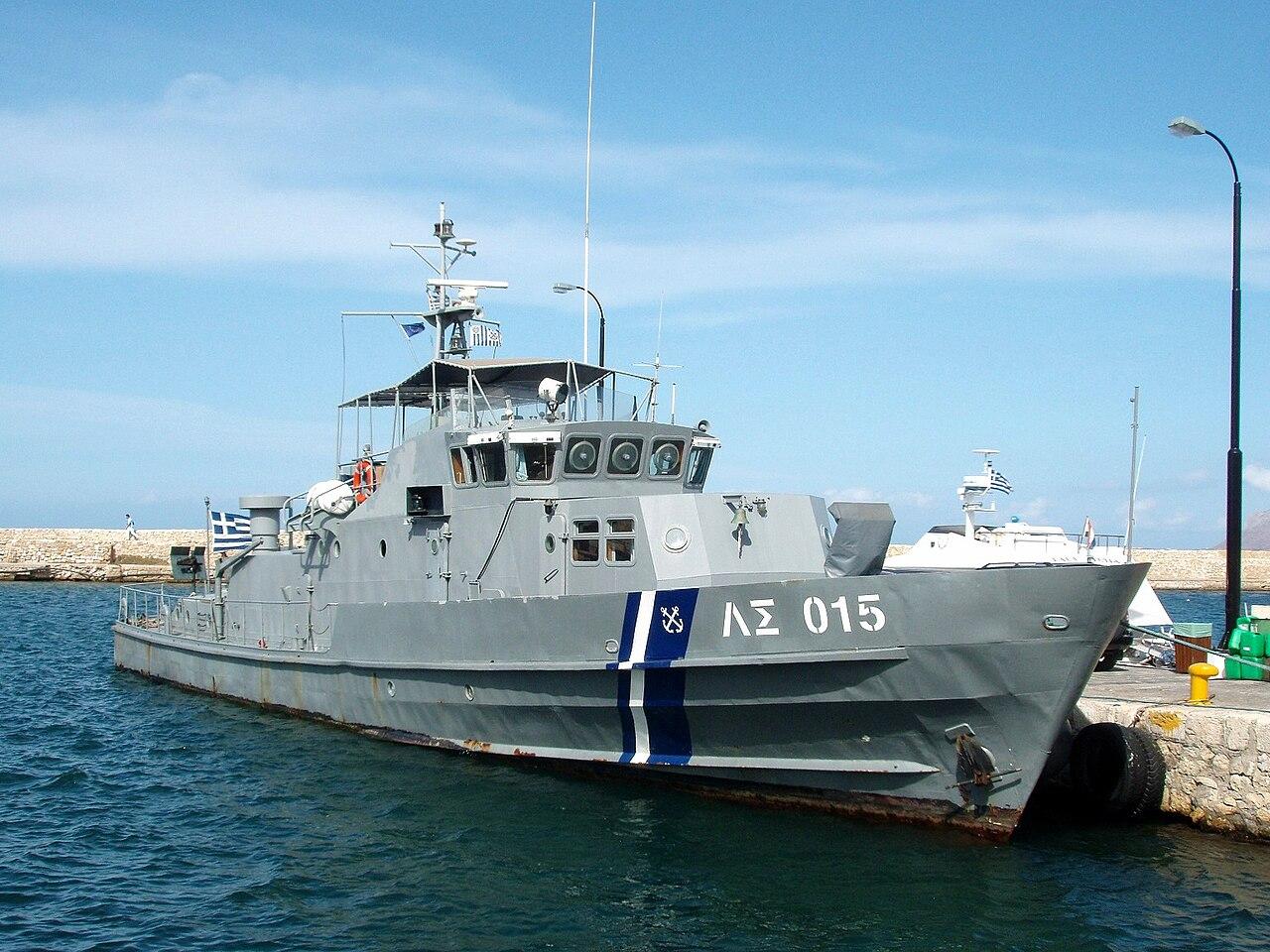
Image: Photo: K. Krallis (uploaded by Sv1xv), CC BY-SA 3.0, via Wikimedia Commons (https://commons.wikimedia.org/wiki/File:20071013-Chania-PLS015-0066.jpg) — October 2007 file photo of a Hellenic Coast Guard patrol boat in Chania, Crete; not from the current rescues
About this article: prepared by The Daily Context editorial desk using automated, source-based reporting from the publications linked below. No reporter was on the ground.
Sources
- AP via Africanews: https://www.africanews.com/2026/11/10/bodies-recovered-from-migrant-boat-sailing-near-greece/
- AP News: https://apnews.com/article/greece-migration-boat-16f88d8a9956d3ea9541e50b41826843
- BBC News: https://www.bbc.com/news/articles/c65ynyxrjdyeo
- ERT News (Greek): https://www.ertnews.gr/eidiseis/ellada/kriti-toulaxiston-21-nekroi-kai-dekades-diasothentes-metanastes-se-allepallila-peristatika-notia-ton-kalon-limenon/
- Euronews: https://www.euronews.com/2026/11/09/crete-boat-tragedy-12-migrants-found-dead-total-of-20-killed-in-three-days
- The Greek Herald: https://greekherald.com.au/news/at-least-22-migrants-dead-in-tragedies-off-crete-two-missing/
- Al Jazeera: https://www.aljazeera.com/news/2026/11/9/at-least-21-migrants-and-refugees-die-trying-to-reach-greeces-crete
- CNN Greece (Greek): https://www.cnn.gr/ellada/story/561212/baraz-metanasteftikon-roon-stin-kriti-stis-119-oi-nees-afikseis-to-teleftaio-24oro
Kabeer Ahmad
Kabeer Ahmad is the founder and editor of The Daily Context. He oversees the site's source-based coverage of world affairs, technology, business, entertainment, lifestyle and sports, and is responsible for its editorial standards, sourcing and corrections.