Qantas to cut 850 corporate jobs in Accenture outsourcing and AI deal
Qantas says about 850 corporate roles will be affected over the coming years under a new multi-year partnership with Accenture, with some finance, procurement, people and marketing work moving mostly to Accenture teams in India. The first changes are due by mid-2027, and the Australian Services Union says the move contradicts earlier assurances about offshoring.
Qantas Group says about 850 roles will be affected over the coming years after it signed a multi-year partnership with consulting firm Accenture to overhaul its back-end technology, processes and data. Some services now handled by Qantas corporate teams will move to Accenture, "delivered mostly by its teams in India and some in Australia", according to the airline's statement on Tuesday 10 November 2026.
Chief executive Vanessa Hudson told staff in an internal email that the first wave of changes is expected to be in place by mid-2027, starting with finance, procurement, people (human resources) and marketing functions. Qantas says it will consult affected employees and unions before individual outcomes are decided, and will try to redeploy as many people as possible.
The announcement drew a sharp response from the Australian Services Union (ASU), which says it had been told there was no plan to send jobs offshore. Qantas shares rose more than 6 per cent on the Australian Securities Exchange after the news, the ABC reported.
What exactly did Qantas announce?
In its statement, Qantas said it had signed a "strategic partnership" with Accenture "to modernise its back-end systems, processes and data, as it steps up investment in technology and AI alongside the largest fleet renewal in its history".
The airline said the partnership will "redesign and simplify how parts of the Group's corporate functions operate". Some of the services those functions provide will move to Accenture and "in time be transformed further with automation and AI". Accenture will also invest upfront to speed up the modernisation of Qantas's data platforms, which the airline says will benefit the wider business, including customer service and operations.
The statements reviewed for this article do not disclose the value of the contract. The airline described the job impact as "around 850 roles" over "the coming years", not an immediate round of redundancies.
Technology publication iTnews reported that Qantas's interest in an Accenture outsourcing deal was first reported in August, and that the work has been running internally under the codename "Project iQ".
Why is Qantas doing this?
Qantas frames the deal as a response to old and fragmented technology. "Like every airline, Qantas runs on technology built up over decades for a different era, including more than 1,000 legacy applications that were never designed to work together," the company said. Connecting the data across those systems, it argued, is "the critical next step to remove complexity, unlock innovation and accelerate the Group's use of AI".
"The scale and speed of change in this space is unprecedented and unlike anything businesses have seen in generations," Hudson said in the statement. "Leading organisations around the world are well progressed in using technology and AI to completely transform how they work, and standing still is not an option for us."
According to the BBC, Hudson told staff that Qantas spends more than A$1 billion a year on technology. The airline also says thousands of its employees already use AI tools in their daily work.
The deal also lands at a time of cost pressure. In a market update on 6 November, Qantas raised its expected fuel bill for the six months to 31 December 2026 to about A$3.75 billion, saying fuel prices were expected to stay elevated through the 2027 financial year. It said it "has and will continue to adjust fares and capacity in response to higher fuel costs", and forecast group domestic capacity 4 per cent lower in the January–March 2027 quarter than a year earlier. The airline has not said the Accenture deal is a response to fuel costs, and its statement presents the move as a technology decision.
For context, Qantas reported a statutory profit after tax of A$1.29 billion for the 2025/26 financial year, the ABC noted.
Who is affected, and when?
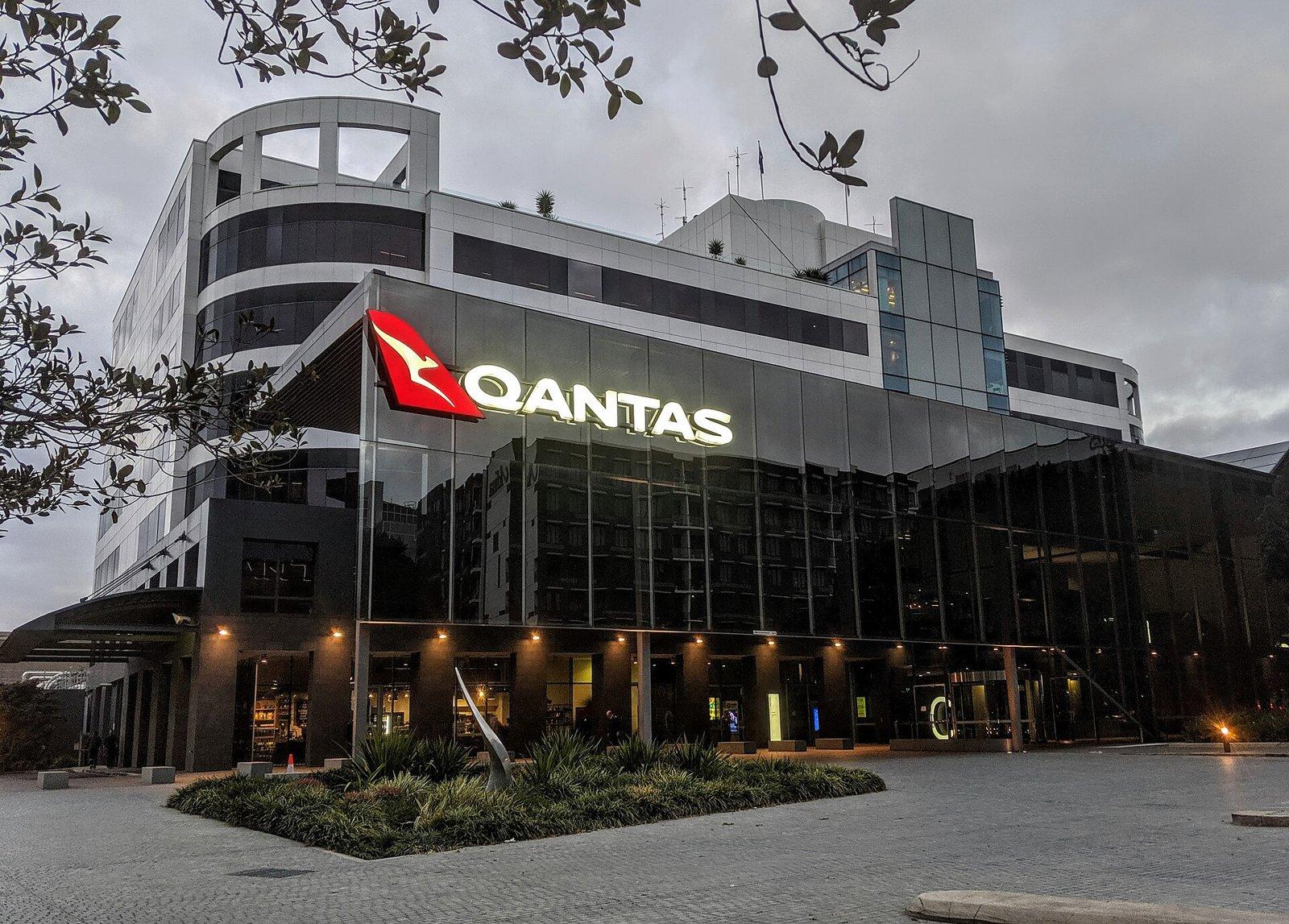
Qantas describes the affected jobs as corporate roles, and the announcements so far do not mention flight or airport operations. The ASU says most of the affected jobs are based in Sydney, where Qantas has its headquarters in the suburb of Mascot.
- Functions first in line: finance, procurement, people and marketing, according to Hudson's email as reported by the BBC and the union's statement as reported by iTnews.
- Timing: the first wave is expected to be in place by mid-2027, with further changes over "the coming years".
- Where the work goes: mostly to Accenture teams in India, with some remaining in Australia.
- Scale: about 850 roles, against a workforce the BBC puts at about 28,000 in Australia and 4,000 overseas.
Qantas said affected staff would be offered redeployment "where possible", including in new roles it is creating in Australia, along with reskilling, retraining and support. Hudson said the decision was "not a reflection of their contribution or commitment". In her email she also pointed to more than 4,400 operational roles created since 2023, according to 7NEWS.
Qantas also has its own AI capability in Australia: iTnews reports that an innovation centre in Adelaide will eventually house around 400 staff.
What are unions saying?
ASU assistant national secretary Scott Cowen told the ABC the union had been working with Qantas for months after first hearing about the proposed deal. "We were told at the time that there was no plan for 1,000 jobs to be offshored and yet today staff have been told by Vanessa Hudson that up to 850 jobs could be sent offshore," he said, calling it "really shocking news for our members".
Cowen said the union would "fight for every job" and argued that large companies that had received taxpayer support had a social obligation to their workforce. He also called for intervention and regulation, warning other companies could follow. "AI is having a huge impact on workers across the country, but the cost of technology change should not be borne by the workers who have kept the airline running for years," he told The Guardian.
Qantas has a long history of disputes with unions over outsourcing, which is part of why the announcement has drawn close attention in Australia.
Is this part of a wider trend in Australia?
The Qantas plan follows other large corporate restructurings. The Guardian counts it as the third major layoff plan in Australia in three weeks, after National Australia Bank (2,500 roles) and design company Canva (more than 1,200 roles to be cut or relocated), for about 4,550 corporate roles in a month across the three firms.
Accenture has also been involved in other large Australian outsourcing arrangements. The ABC notes that Telstra announced a A$700 million joint venture with Accenture last year and later disclosed plans to cut 209 jobs, and that Coles is reported to have up to 1,000 roles moved offshore after partnering with the firm.
The Guardian reports that the announcement comes as Australian unemployment sits at its highest level in nearly five years and households face rising living costs. That context matters: corporate back-office roles have long been seen as relatively secure, and the combination of offshoring and AI-driven automation is now reaching them directly.
What happens next?
Qantas says it will consult with affected employees and their unions before final decisions on individual roles. The ASU was meeting Qantas members on Tuesday, and its response to the consultation will shape the next few months.
Key open questions include how many of the 850 roles will move to India versus Australia, how many affected workers will be redeployed rather than made redundant, which functions follow after the first wave, and what the contract is worth. Qantas has not answered those publicly, and this article will be updated if the company or the union releases more detail.
Image: Photo: MDRX, CC BY-SA 4.0, via Wikimedia Commons (https://commons.wikimedia.org/wiki/File:Qantas_Headquarters.jpg) — August 2019 file photo of Qantas headquarters, Mascot, Sydney
About this article: prepared by The Daily Context editorial desk using automated, source-based reporting from the publications linked below. No reporter was on the ground.
Sources
- Qantas Group (media release, republished by The National Tribune): https://www.nationaltribune.com.au/qantas-group-fast-tracks-technology-and-ai-investment-with-new-accenture-partnership/
- ABC News: https://www.abc.net.au/news/2026-11-10/850-jobs-to-go-from-qantas-as-airline-moves-roles-overseas/107368120
- BBC News: https://www.bbc.com/news/articles/cry838v4qzvyo
- The Guardian: https://www.theguardian.com/business/2026/nov/10/qantas-850-job-cuts-outsource-work-to-india-ai-overhaul
- iTnews: https://www.itnews.com.au/news/qantas-taps-accenture-for-major-it-and-data-modernisation-630243
- 7NEWS: https://7news.com.au/travel/qantas/qantas-ceo-announces-about-850-jobs-to-be-cut-following-an-outsourcing-deal-with-accenture-c-23140134
- Qantas Group market update, 6 November 2026 (PDF): https://investor.qantas.com/FormBuilder/_Resource/_module/doLLG5ufYkCyEPjF1tpgyw/file/Qantas_Group_Market_Update-November_2026.pdf
Kabeer Ahmad
Kabeer Ahmad is the founder and editor of The Daily Context. He oversees the site's source-based coverage of world affairs, technology, business, entertainment, lifestyle and sports, and is responsible for its editorial standards, sourcing and corrections.