COP31 begins in Antalya with an early fight over climate finance
The UN climate conference COP31 begins in Antalya, Türkiye, on Monday 9 November 2026 and runs until 20 November, with developing and developed countries already at odds over whether climate finance belongs on the official agenda. Türkiye holds the presidency, Australia's Chris Bowen leads the negotiations, and the US government is not taking part.
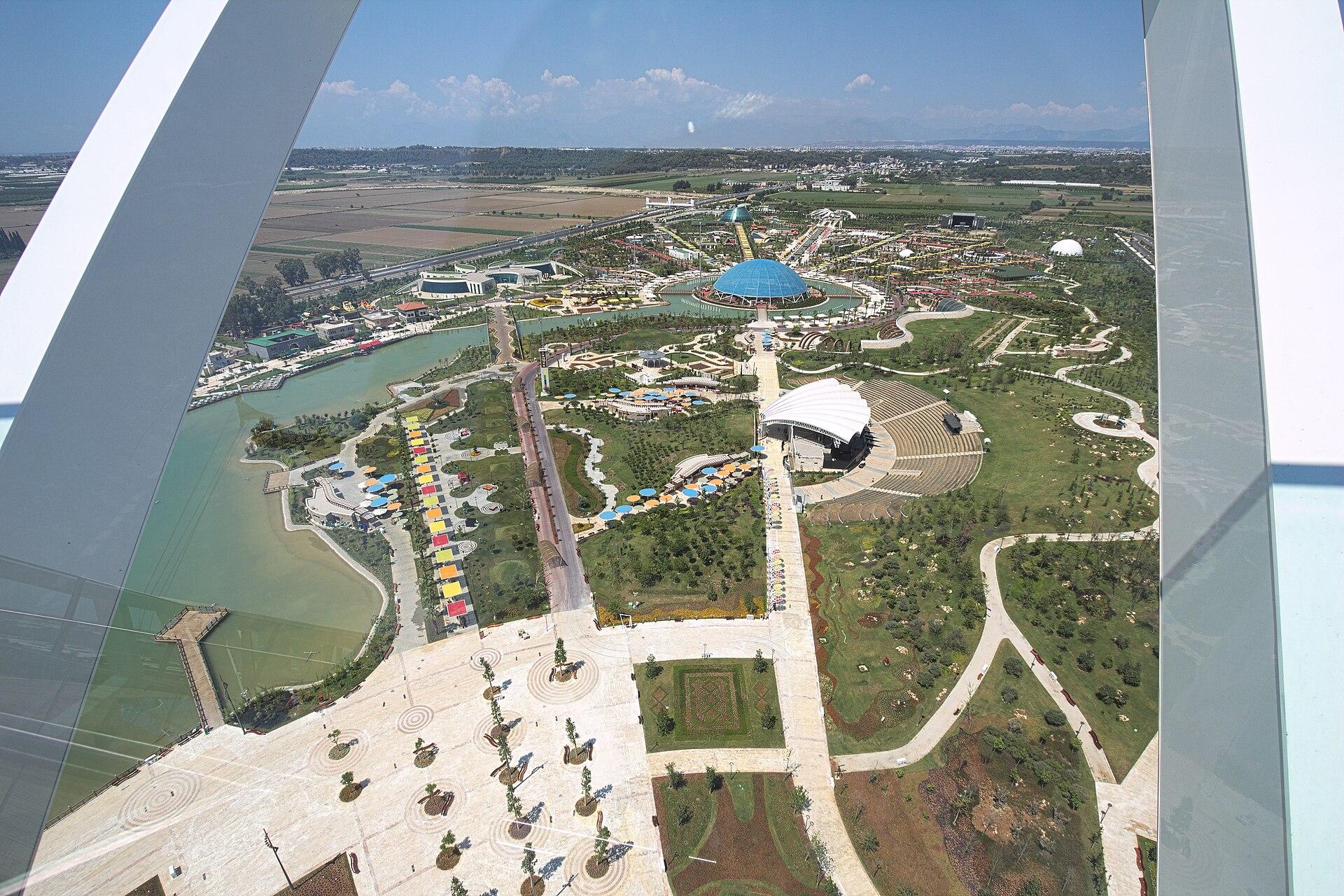
The 31st UN climate conference, COP31, begins in Antalya on Türkiye's Mediterranean coast on Monday 9 November 2026 and is scheduled to run until 20 November. Before formal business had even started, negotiators from rich and poorer countries were in a dispute over whether climate finance should be added to the official agenda, and AFP reported that the opening ceremony had been delayed by an hour without explanation.
Türkiye holds the presidency, with environment minister Murat Kurum as COP31 president, while Australia's climate and energy minister, Chris Bowen, leads the negotiations under an unusual arrangement that settled a rivalry over who would host. The US government is not taking part in negotiations after President Donald Trump withdrew the country from the Paris Agreement, although a group of US lawmakers plans to attend.
This article explains what the conference is, what governments are arguing about and what to watch over the next two weeks. It is based on UN schedule documents and reporting by AFP, RFI, Al Jazeera and Bianet published on 9 November. The talks were only beginning at the time of writing, so any outcomes are still unknown.
What is COP31 and who is running it?
COP stands for Conference of the Parties, the annual summit of countries that have signed the UN Framework Convention on Climate Change. The UNFCCC secretariat's formal notice describes the Antalya meeting as three linked sessions: COP31, the 21st meeting of parties to the Kyoto Protocol and the eighth meeting of parties to the Paris Agreement. The formal opening plenary was scheduled for 10:00 local time on 9 November in the Plenary Anadolu hall at the venue, with an overflow room for delegates who could not get a seat.
The UNFCCC's overview schedule lists a pre-sessional period from 2 to 8 November and the main sessional period from 9 to 20 November. A high-level segment for heads of state and government, described as the World Leaders Climate Action Summit, is scheduled for 11 and 12 November, according to PressEuropa's summary of the programme. Representatives from nearly 200 countries are expected to take part, Bianet reported, and AFP said more than 100,000 people are expected to attend.
The presidency and Australia have branded Antalya the "implementation COP", meaning the focus is supposed to be on carrying out existing promises rather than making new headline pledges. Each day has a theme: food, agriculture and health on the opening day, followed by energy and transport on 10 November, according to the UN schedule.
Why are countries already arguing about money?
AFP reported that negotiators were locked in talks late on Sunday over demands from developing countries to put climate-finance items on the formal agenda. Under the UN climate agreements, developed countries, which are historically responsible for most greenhouse gas emissions, provide financial support to help poorer countries adapt to climate impacts and move to cleaner energy. Developing countries say the sums are too small.
Jasper Inventor, head of Greenpeace's COP31 delegation, told AFP it had "already been a difficult start", and said developed countries were "taking a hard line" over whether to include a platform agreed at COP30 in Brazil to discuss how wealthy nations should provide funds. African countries also want dedicated discussion of the pledge made at COP30 to at least triple adaptation finance. AFP also reported that a senior European Union official warned last week that there would be "no political will" for extra funding pledges at COP31.
The numbers behind the dispute are large. RFI, citing the UN Environment Programme, reported that adapting to a hotter world will cost developing countries around $305 billion a year by 2035 at today's prices, while wealthy countries provided around $30 billion for adaptation in 2024. Even if the tripling pledge is fulfilled, UNEP found it would cover only 20 to 29 per cent of developing countries' needs by 2035, and the agreement sets no starting year for measuring the increase. A fund for countries suffering climate-related losses received requests worth $2.8 billion in its first funding round against $342 million available, RFI reported.
"The problem is not only how much, but on what terms," Nana Antwi-Boasiako Amoah, chair of the African group of negotiators, wrote in a commentary before the summit quoted by RFI, calling for predictable grants rather than loans that add to national debt.
What is Türkiye's electrification pledge?
The presidency's flagship idea is a non-binding "35 by 35" Global Electrification Pledge, which aims for electricity to supply at least 35 per cent of global energy demand by 2035. Al Jazeera, citing the International Energy Agency, reported that electricity currently accounts for about one-fifth of total final energy consumption worldwide.
Kurum has framed the plan partly as energy security after a year of oil-price shocks linked to the US-Israel war on Iran and disruption to shipping through the Strait of Hormuz. "Everyone now understands that energy that you import is energy that you do not control," he said on Thursday, according to Al Jazeera. "Electrification is the answer."
Critics say the pledge does not require the extra electricity to come from low-carbon sources. AFP reported that the EU has called for "clean" electrification, a term that could open a debate about the role of fossil fuels in generating that power.
Will COP31 deal with fossil fuels?
Probably not with a new binding agreement. At COP28 in Dubai in 2023, countries agreed to transition away from fossil fuels, but COP30 in Brazil ended without an explicit mention of them after objections from oil producers. Brazil has since published a voluntary roadmap urging countries to draw up national plans by 2028, without a binding deadline for ending coal, oil and gas use, RFI reported. Türkiye and Australia had not said whether they would take that roadmap forward, and RFI cited reports that a new binding fossil-fuel agreement is unlikely.
Pacific island nations, among the most exposed to rising seas, are pushing for a clearer global route away from fossil fuels, while producers including Saudi Arabia argue fossil fuels can remain a substantial part of the energy mix if paired with technologies that reduce or capture emissions, according to Al Jazeera.
How close is the world to 1.5C?
The Paris Agreement's most ambitious goal is to limit warming to 1.5C above pre-industrial levels, measured over decades rather than single years. RFI reported that UNEP warned in October that a sustained breach of 1.5C is now unavoidable and that current policies could lead to about 2.8C of warming this century. The UN climate body said in October that the latest national climate plans would cut global emissions by only about 6 per cent by 2035 compared with 2019 levels. Temporarily exceeding the limit and later bringing temperatures back down is known as "overshoot"; Bowen said at preparatory talks in Fiji that the world must overshoot "for as little and as short as possible".
What happens next?
Negotiators must first agree the agenda, then work through technical talks in week one before ministers and leaders arrive. The presidency and Australia want countries to approve a single overall decision setting out how existing promises on emissions, adaptation and finance will be delivered, without creating new obligations, RFI reported. Countries also need to settle how a mechanism agreed at COP30 will support workers and communities affected by the shift away from polluting industries. Observers quoted by AFP expect few major breakthroughs given the oil-price shock and geopolitical tensions. Final negotiations are scheduled for 20 November, though UN climate summits often overrun.
Image: Photo: Hendric Stattmann, CC BY-SA 4.0 (https://creativecommons.org/licenses/by-sa/4.0/), via Wikimedia Commons (https://commons.wikimedia.org/wiki/File:Expo_2016_Antalya_-_West_View.jpg) — June 2016 file photo of the Expo 2016 Antalya site, not taken at COP31
About this article: prepared by The Daily Context editorial desk using automated, source-based reporting from the publications linked below. No reporter was on the ground.
Sources
- AFP: COP31 opens with early fight over climate finance (9 November 2026): https://www.afp.com/en/cop31-opens-early-fight-over-climate-finance
- UNFCCC: Arrangements for the opening of COP31, message to parties and observers (5 November 2026): https://unfccc.int/sites/default/files/resource/message_to_parties_and_observers_arrangements_for_the_opening_of%20COP_31.pdf
- UNFCCC: COP31 overview schedule (version of 9 October 2026): https://unfccc.int/sites/default/files/resource/COP_31_Overview_Schedule_v2.pdf
- RFI: Cop31 opens in Turkey as climate funding and fossil fuels divide nations (9 November 2026): https://www.rfi.fr/en/environment/20261109-cop31-opens-in-turkey-as-climate-funding-and-fossil-fuels-divide-nations-antalya
- Al Jazeera (AFP and Reuters): Turkiye pushes electrification top of climate agenda as COP31 set to open (9 November 2026): https://www.aljazeera.com/news/2026/11/9/turkiye-pushes-electrification-top-of-climate-agenda-as-cop31-set-to-open
- Bianet: COP31 opens in Antalya today (9 November 2026): https://bianet.org/haber/cop31-opens-in-antalya-today-325213
- PressEuropa: COP31 opens in Antalya on Monday, with leaders' summit set for 11-12 November: https://presseuropa.com/cop31-opens-in-antalya-on-monday-with-leaders-summit-set-for-11-12-november/
Kabeer Ahmad
Kabeer Ahmad is the founder and editor of The Daily Context. He oversees the site's source-based coverage of world affairs, technology, business, entertainment, lifestyle and sports, and is responsible for its editorial standards, sourcing and corrections.