EU launches €525m chip design platform for start-ups: who can apply and how it works
The European Commission launched the European Chip Design Platform (EuroCDP) on 4 November 2026, backed by €525 million, to help chip design start-ups and small firms reach working silicon. The first grant call, with an indicative €50 million budget, closes on 12 January 2027.

The European Union has launched a €525 million platform to help a new generation of European companies design their own computer chips. The European Chip Design Platform, known as EuroCDP, was launched on 4 November 2026 by Henna Virkkunen, the European Commission's executive vice-president for tech sovereignty, security and democracy. It gives start-ups and small firms access to design software, reusable circuit designs, expert support, grants and manufacturing capacity, according to the Commission.
The first grant call is already open. Its first selection cut-off is 12 January 2027 at 17:00 Brussels time, with an indicative budget of €50 million, according to the platform operator's published information as reported by 2EU Brussels.
Why does Europe want more chip designers?
Chip design is the stage of the semiconductor business where much of the industry's innovation and value is created. Yet European chip design companies account for less than 1% of global revenues in that segment, the Commission says.
That matters for the EU's wider chip strategy. Brussels has spent recent years encouraging new chip factories in Europe. The Commission argues that this new manufacturing capacity will only be sustainable if there is enough demand for it, and that much of that demand has to come from European designers.
"We know that Europe can't strengthen our position in the global semiconductor industry if we don't succeed in chip design," Virkkunen said at the launch, according to Reuters. "Fostering a vibrant design ecosystem in turn will create demand for manufacturing facilities and also strengthen the entire value chain in Europe."
Europe's broader targets are under pressure. The EU Chips Act aims to lift the bloc to a 20% share of global semiconductor production by 2030, up from around 9% in 2020. Euronews noted that the European Court of Auditors concluded in a 2025 report that this target is very unlikely to be met.
Where does the €525 million come from, and where does it go?
According to Reuters and eeNews Europe, the money splits two ways:
- €440 million in grants to help start-ups meet the cost of developing chips for commercial use.
- €85 million for the platform itself: cloud infrastructure, support services and open-source chip design tools.
By source, €285 million comes from the EU budget and €240 million from countries taking part in the Chips Joint Undertaking, the EU body that runs much of the Chips Act, eeNews Europe reported. Both breakdowns describe the same €525 million total.
What do companies actually get?
Designing a chip needs more than an idea. Firms need specialist software to design, simulate and check circuits, known as electronic design automation (EDA) tools. They also need licensed building blocks for common functions, known as intellectual property (IP) blocks, and access to factories that can turn a design into a physical prototype. These are the most expensive and hardest resources for young companies to get, the Commission says.
EuroCDP brings them together on a cloud-based platform. It is run by a consortium led by imec, the Belgian research organisation, with support from the Chips Joint Undertaking, according to eeNews Europe. At the launch, the chip-design software firm Synopsys announced an agreement to make its EDA tools available through the platform, 2EU Brussels reported.
The platform also offers training. Twenty start-ups are already taking part in EuroCDP venture development programmes. 2EU Brussels reported that they were selected in June from 79 applicants. These mentoring places are separate from the new grants.
How big are the grants, and who can apply?
The Commission's factsheet says grants run from up to €100,000 for early-stage start-ups to up to €16 million for more mature ones. The detailed rules, as reported by 2EU Brussels from the operator's call information, work like this:
- Level 1: up to €100,000, covering 100% of eligible costs, for companies that have received no more than €1 million in total funding. The Commission links this level to proof-of-concept prototyping.
- Level 2: up to €8 million from EuroCDP, covering 35% of a project's budget. National co-funding can raise the total. 2EU Brussels reported that this is how the Commission's €16 million ceiling is reached, citing the Dutch competence centre ChipNL.
According to ChipNL, as cited by 2EU Brussels, the first call is aimed at "fabless" small and medium-sized enterprises. These are companies that design chips but do not own factories, based in the EU or in countries associated with the Horizon Europe research programme. Grants can cover design software, IP licences, technical support and cloud design environments, as well as prototyping, fabrication, testing and packaging.
Companies can get help with applications from the EU's network of national Chips Competence Centres.
Grant figures and eligibility conditions should be checked against the official call documents before applying. This article is not financial or legal advice.
Will it change Europe's position in chips?
It is too early to say. The platform targets a real gap, and the grant sizes are significant for start-ups. But €525 million is small compared with the scale of the global chip industry, which is booming because of demand linked to artificial intelligence, Reuters noted. Euronews pointed out that Taiwan's TSMC makes about seven in every ten chips produced for other companies, and that the most advanced chips are made almost entirely in Taiwan and South Korea.
The Commission frames EuroCDP as a way to build demand and know-how at the start of the value chain, rather than competing only on factory capacity. The platform also fits into the proposed Chips Act 2.0, announced in June 2026, eeNews Europe reported. The first test will be how many viable applications arrive before the 12 January cut-off.
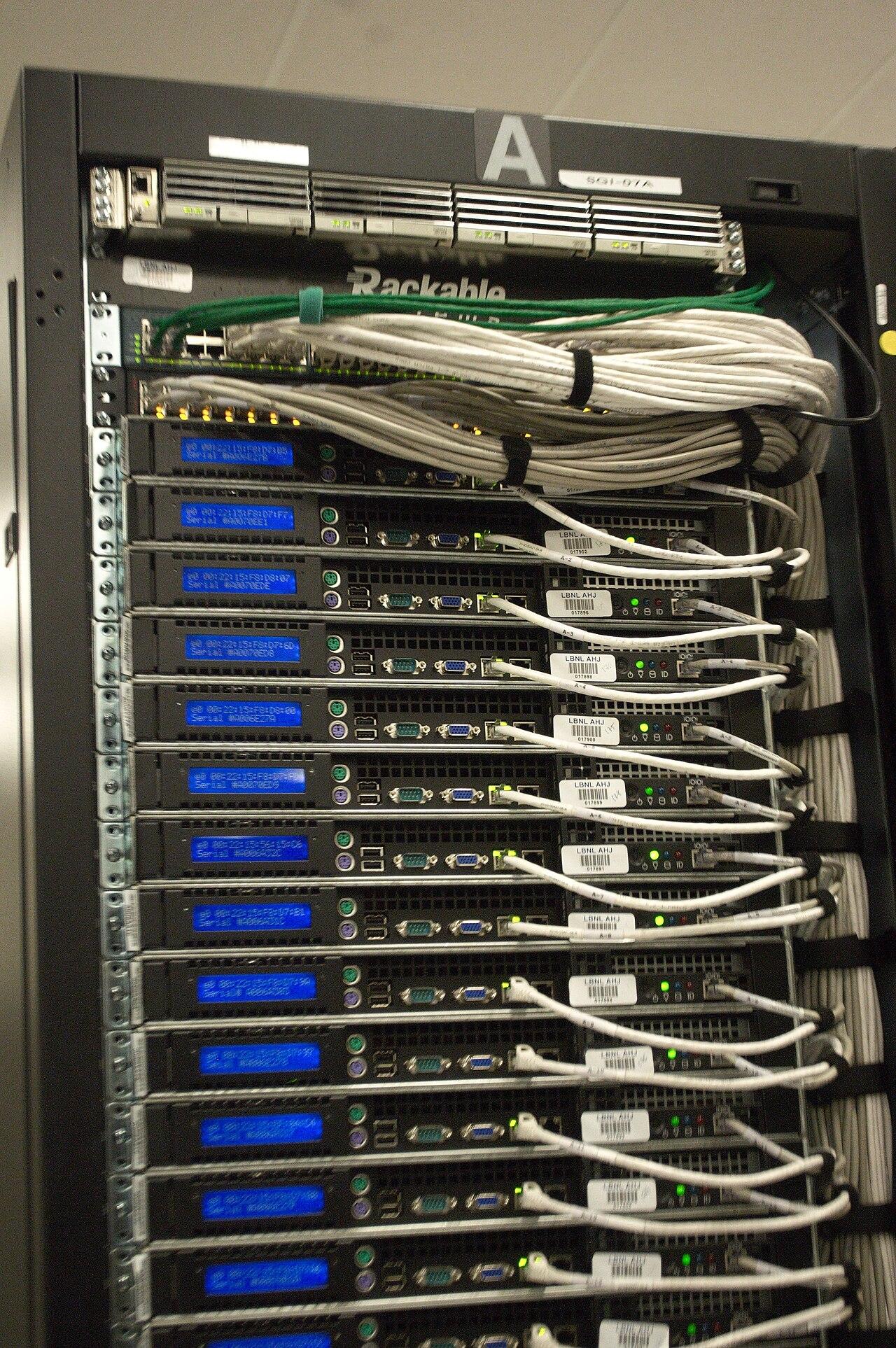
Image: Photo: Rob Bulmahn / Wikimedia Commons (via Flickr), CC BY 2.0 (https://commons.wikimedia.org/wiki/File:5C2A5953R_-_49913961083_%E2%80%93_Silicon_Wafer_20200519.jpg) — 2020 file photo
About this article: prepared by The Daily Context editorial desk using automated, source-based reporting from the publications linked below. No reporter was on the ground.
Sources
- European Commission, €525 million investment set to drive new generation of European chip design companies (4 Nov 2026): https://digital-strategy.ec.europa.eu/en/news/eu525-million-investment-set-drive-new-generation-european-chip-design-companies
- European Commission, European Chips Design Platform factpage: https://digital-strategy.ec.europa.eu/en/factpages/european-chips-design-platform
- Reuters via Investing.com, Europe to invest €525 million in chip startups to catch up with US and China (4 Nov 2026): https://www.investing.com/news/stock-market-news/europe-to-invest-525-million-in-chip-startups-to-catch-up-with-us-and-china-5000867
- Euronews, Europe is betting €525 million on chip design start-ups (5 Nov 2026): https://www.euronews.com/2026/11/05/europe-is-betting-525-million-on-chip-design-start-ups
- eeNews Europe, EU launches €525 million chip design platform to boost startups (5 Nov 2026): https://www.eenewseurope.com/en/eu-launches-e525-million-chip-design-platform-to-boost-startups/
- 2EU Brussels, EU launches chip design platform with an initial €50 million funding call (8 Nov 2026): https://2eu.brussels/en/news/eu-launches-chip-design-platform-with-an-initial-50-million-funding-call
Kabeer Ahmad
Kabeer Ahmad is the founder and editor of The Daily Context. He oversees the site's source-based coverage of world affairs, technology, business, entertainment, lifestyle and sports, and is responsible for its editorial standards, sourcing and corrections.